
A rental agreement in Malaysia is a legally binding contract outlining the rights and responsibilities of landlords and tenants, including rental terms, deposits, tenancy duration, and dispute procedures. In 2026’s competitive rental market, a properly drafted and stamped agreement remains essential for legal protection, financial clarity, and smoother tenancy management.

For landlords and tenants in Malaysia, a well-prepared rental agreement Malaysia is the foundation of a secure, transparent, and dispute-free rental experience. Whether you are renting out an apartment in Kuala Lumpur or leasing a landed home in Johor Bahru, having a clear tenancy agreement protects both sides’ rights and responsibilities from the very start.
With updated requirements, evolving tenancy trends, and more digital documentation practices, drafting a rental agreement Malaysia in 2026 needs to reflect current legal expectations, financial considerations such as stamp duty, and the real risks faced by both landlords and tenants.
Before we go into how to craft one, let’s start with the basics and the sections your tenancy agreement must include.
What is a Rental Agreement in Malaysia?
A rental agreement Malaysia is a legally binding document between a landlord and a tenant that outlines the terms of renting a property. It specifies the rights and obligations of both parties, rental amount, tenancy duration, deposit requirements, property details, house rules, and dispute or termination procedures.
Landlords may draft the agreement themselves, though many hire lawyers for longer leases or higher-value properties. Tenants should carefully review the agreement before signing to understand their responsibilities, what is included in the rented property, payment terms, and conditions that could result in the forfeiture of deposits.
In Malaysia, residential leases typically range from 1 to 3 years, with month-to-month rentals also common in city centres like Kuala Lumpur, Petaling Jaya, and Johor Bahru. A clear rental agreement Malaysia helps prevent misunderstandings and protects both parties.
Why a Clear Rental Agreement Matters in 2026
In 2026, Malaysia’s rental market is increasingly competitive. More young professionals and students are choosing renting over buying due to:
- Cost of living pressures
- Higher down payment requirements
- Changing lifestyle priorities
- Flexible working arrangements
This shift increases the need for clear documentation. A rental agreement ensures protection in common dispute situations, such as:
- Late rental payment
- Property misuse
- Damages to fixtures
- Noise complaints
- Early termination
- Breach of house rules
At the same time, well-written documentation helps assure tenants that they will:
- Receive proper notice before the landlord’s entry
- Have privacy rights respected
- Get deposit refunds fairly
For both sides, a properly stamped rental agreement Malaysia is enforceable in court, an essential shield if a dispute escalates.
Rental Agreement Updates: Budget 2026 Highlights
With Budget 2026 released in October 2025, several updates may influence the rental market and rental agreement Malaysia practices:
1. Affordable Housing Expansion
The Government allocated RM672 million for affordable housing programmes. More units entering the market may increase tenant options and rental competitiveness.
2. Digitalisation of Public Services
Budget 2026 promotes digital transformation across government services. Over time, this may lead to wider adoption of e-signatures or digital tenancy documentation.
3. Incentives for Property Conversion
Developers receive tax deductions for converting commercial buildings into residential units. This could increase the supply of rental properties in urban areas.
Note: Budget 2026 does not currently mandate standardised tenancy contracts, online registration, or new deposit regulations. Landlords and tenants should continue following existing legal and stamping practices.
What to Include in a Rental Agreement Malaysia
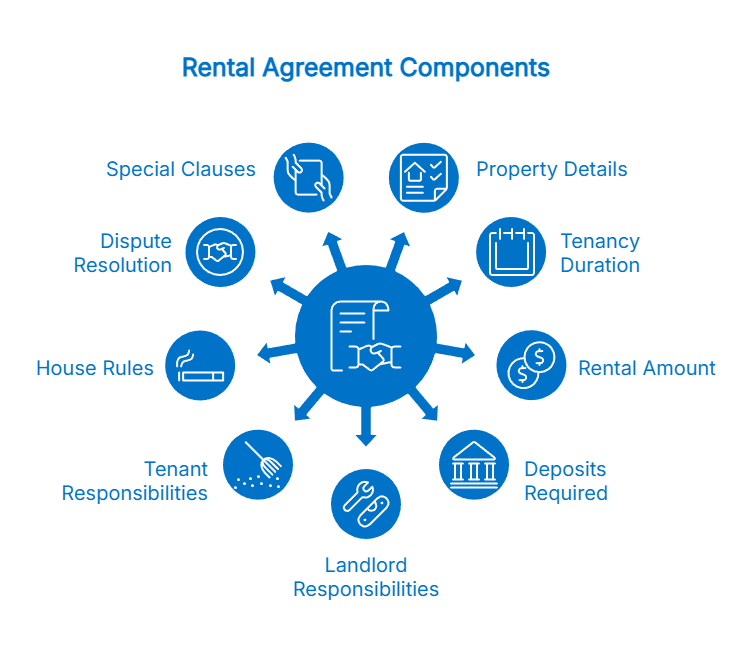
While Malaysia does not impose strict statutory requirements on what must be included, the rental sector follows a widely accepted standard. A rental agreement Malaysia should include the following key items:
1. Property Details and Purpose
Include the full address, unit and floor number (for strata properties), and specify whether the entire unit or just a room is rented. Clearly indicate if the property is furnished or unfurnished, and attach an inventory list of furniture, fixtures, or fittings, verified by both parties before signing.
2. Tenancy Duration
State the tenancy period, typically one to three years, along with start and end dates. Include any renewal or extension options and the required notice period for termination or renewal.
3. Rental Amount and Payment Terms
Specify the monthly rental, due date, and preferred payment method. In 2026, landlords often prefer online banking or digital transfers for easier tracking and transparency.
4. Deposits Required
Clearly list all deposits, usually including the security deposit, utility deposit, and earnest deposit. These protect the landlord and outline the tenant’s financial commitment.
5. Landlord Responsibilities
Detail the landlord’s obligations, such as paying assessment tax, quit rent, and strata maintenance; maintaining structural safety; repairing major electrical and plumbing systems; and ensuring the tenant’s quiet enjoyment of the property.
6. Tenant Responsibilities
Outline tenant duties, including paying rent and utility bills on time, using the property solely for residential purposes, avoiding subletting or renovations without consent, and keeping the property clean and well-maintained.
7. House Rules and Restrictions
List any rules like maximum occupants, no business activities, smoking bans, or pet restrictions. Clear house rules help prevent disputes and set expectations from day one.
8. Dispute Resolution
Include a procedure for handling issues such as payment disputes, property damage claims, contract breaches, and deposit retention. Many agreements now recommend mediation before legal action.
9. Special Clauses
Optional clauses can cover early termination due to job relocation, pet permissions, AC maintenance schedules, late payment interest, or digital key restrictions. These clarify expectations upfront and reduce potential conflicts.
A well-drafted rental agreement protects both the landlord and tenant by clearly outlining rights, responsibilities, and expectations. Taking the time to include all essential clauses ensures a smooth and hassle-free tenancy.
Browse Malaysia property listings for saleLatest Legal and Financial Considerations
Although Malaysia does not have a dedicated Residential Tenancy Act as of 2025, rental relationships are governed by:
- Contracts Act 1950
- Common law principles
- Stamp Act 1949
- Evidence Act
- Consumer protection considerations in some cases
- Local housing and strata laws
This means that a well-written rental agreement Malaysia remains the main legal foundation for resolving disagreements.
Landlords should also be aware that unstamped agreements:
- Are legally weak
- Cannot be produced as evidence in court
- May impose penalties if stamped late
Therefore, stamping remains essential for enforceability.
Deposits Required for Rental Properties
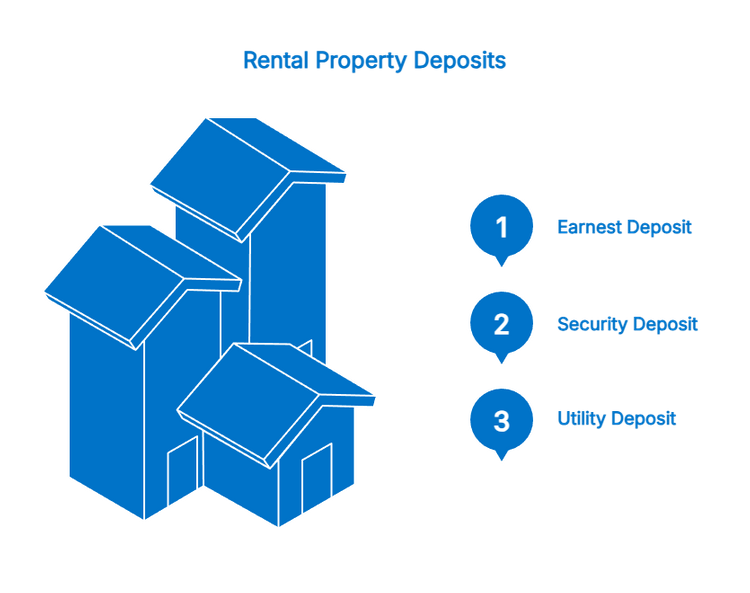
A typical residential tenancy agreement includes the following three deposits:
1. Earnest Deposit
This is paid once the tenant agrees to proceed after viewing. Key features include:
- Equivalent to one month’s rent
- Acts as a holding deposit
- Usually accompanies a Letter of Offer
- Can later be offset as the first month’s rent
- Typically held by a property agent as a stakeholder
2. Security Deposit
This protects the landlord against:
- Property damage
- Major cleaning costs
- Unpaid rental
- Breach of agreement
The standard amount is two months’ rent.
If the tenant complies fully and there is no damage beyond fair wear and tear, this is refunded in full.
3. Utility Deposit
Typically, half a month’s rent, this deposit protects against outstanding bills for:
- Water
- Electricity
- Gas
- Sewerage
- Internet (if billed to the tenant)
Properly handling earnest, security, and utility deposits ensures both landlords and tenants are financially protected throughout the tenancy. Clear documentation and agreement on these deposits can prevent disputes and promote a smooth rental experience.
Stamp Duty Calculation in Malaysia
A properly stamped rental agreement Malaysia must be submitted to Lembaga Hasil Dalam Negeri (LHDN) along with the relevant forms. The stamp duty is based on the tenancy duration under updated rates effective 1 January 2025.
Stamp Duty Rates (NRIC Holders)
| Tenancy Duration | Annual Rental | Stamp Duty |
| Up to 1 year | Any amount | RM1 per RM250 |
| 1-3 years | Any amount | RM3 per RM250 |
| 3-5 years | Any amount | RM5 per RM250 |
| Over 5 years | Any amount | RM7 per RM250 |
Additional copies of the stamped agreement require RM10 each. Minimum duty is RM10 if the calculation falls below.
Formula for calculating stamp duty:
(Annual rent ÷ 250) × applicable rate = Duty payable
Ensuring your rental agreement Malaysia is properly stamped with LHDN protects its legal validity and enforceability. Accurately calculating and paying stamp duty prevents penalties and secures both landlord and tenant rights throughout the tenancy.
Keep track of the latest property launches in MalaysiaStructure and Format of a Tenancy Agreement

With property demand continuing to rise in urban and suburban areas, understanding the essentials of a rental agreement can save you time, money, and potential legal headaches.
A typical tenancy agreement is structured as follows:
1. Cover Page
Includes the agreement date, landlord and tenant names, and identification numbers, serving as the document’s official introduction.
2. Definitions
Clarifies key terms such as “landlord,” “tenant,” “premises,” “deposit,” and “schedule,” ensuring both parties understand the language used throughout the agreement.
3. Rental and Duration Terms
Specifies the start and end date of the tenancy, rental amount, and deposit details. This section ensures clarity on payment and lease length.
4. Tenant Responsibilities
Outlines tenant responsibilities, including proper care of the property, adherence to house rules, and restrictions on subletting or modifications without consent.
5. Landlord Responsibilities
Details landlord obligations such as property maintenance, repairs, insurance coverage, and respecting tenant privacy.
6. Special Clauses
Optional provisions agreed upon by both parties, for example, early termination rights, pet policies, or additional services.
7. Final Definitions and General Terms
Covers any remaining clarifications, general legal statements, or conditions applicable to the tenancy.
8. Signatures
Both landlord and tenant, along with witnesses, sign and date the agreement to validate it.
9. Schedule
Provides practical details like the property address, rent breakdown, renewal options, and contact information for both parties.
10. Inventory
Lists all items provided with the property, including furniture, electrical appliances, keys, and access cards, to prevent disputes at the start or end of the tenancy.
This structured approach ensures accountability, reduces misunderstandings, and provides a clear reference for both parties throughout the tenancy.
Taking the time to ensure your agreement is complete, stamped, and clearly understood by both parties will create a smoother tenancy experience and stronger protection for everyone involved.
Digital Signing and E-Stamping
Digital signing is increasingly accepted across Malaysia. While traditional physical signatures are still common, many landlords and agents now use:
- Digital signature platforms
- E-stamping through LHDN
- Email exchange of countersigned copies
Digital documentation offers:
- Faster turnaround
- Stronger audit trails
- Secure online storage
- Accessibility for overseas landlords or tenants
For digital documents to be legally enforceable, both parties must still ensure:
- Identity verification
- The agreement remains unstamped until e-stamping is completed
A digitally signed but unstamped rental agreement Malaysia remains unenforceable in legal disputes.
Common Risks Without a Proper Agreement

Without a well-drafted rental agreement Malaysia, both parties are exposed to risks such as:
For landlords:
- Tenants leaving without notice
- Damage to fixtures
- Unpaid rent or utilities
- Property misuse
For tenants:
- Eviction without sufficient notice
- Loss of deposits without proper justification
- Sudden changes in house rules
- Lack of privacy protection
A written and stamped agreement significantly reduces all these risks. It also provides a clear reference for resolving disputes, ensuring both landlords and tenants are protected throughout the tenancy.
Stay informed with expert Malaysian property insightsFinal Checklist For a Smooth Process of Rental Agreement
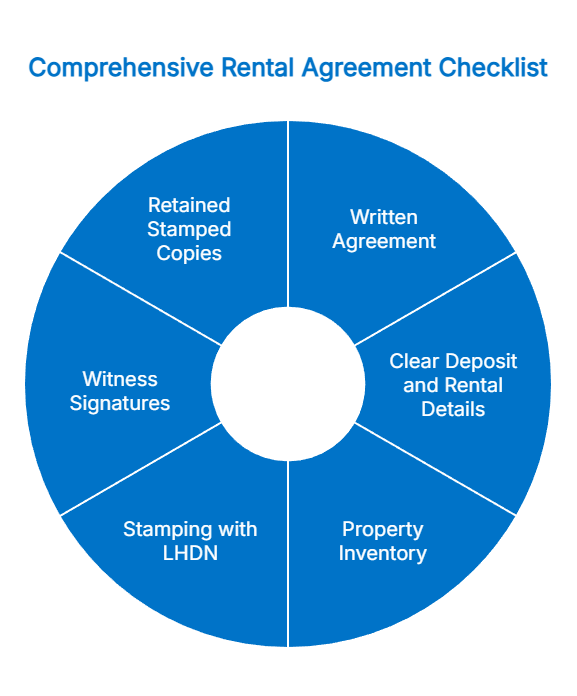
Before signing any rental agreement Malaysia, both landlord and tenant should carefully verify the following to ensure a smooth tenancy:
1. Agreement Is in Writing
Verbal agreements are legally risky and difficult to enforce. Always have the terms documented clearly in a written contract.
2. All Deposits and Rental Details Are Clearly Stated
Ensure the agreement specifies the rental amount, due dates, refundable conditions for deposits, and coverage of utilities. This prevents future misunderstandings.
3. Property Inventory Is Attached
Include a detailed inventory of items provided, such as furniture, electrical appliances, bulbs, keys, remote controls, and access cards. Both parties should verify the list at the start of the tenancy.
4. Stamping Is Completed with LHDN
A stamped agreement is legally enforceable. Unstamped agreements cannot be presented in court in case of disputes.
5. Signatures of Witnesses Are Included
Witness signatures strengthen the agreement’s validity and legal protection for both parties.
6. Both Sides Retain a Stamped Copy
Ensure the landlord and tenant each keep a stamped copy. Additional copies must be stamped (RM10). This provides clear proof of the agreed terms.
Following this checklist helps protect rights, ensures clarity, and reduces potential conflicts throughout the tenancy.
Maintaining Clarity and Security in Your Rental Agreement
A well-prepared rental agreement Malaysia remains absolutely essential. With higher rental activity, more digital documentation practices, and anticipated policy adjustments leading into 2026, clarity has never been more important.
Whether you are a landlord hoping to protect property value or a tenant ensuring fair treatment, a stamped and detailed tenancy agreement helps:
- Prevent misunderstandings
- Clarify responsibilities
- Strengthen legal protection
- Support a smooth tenancy experience
Before renting out or moving in, take time to review, understand, and finalise your rental agreement Malaysia properly. It is your most important safeguard in the rental journey.Learn how Malaysia’s property market works and navigate rental decisions with expert advice. Read Property Guides on iProperty Malaysia.