
A real estate agent handles pricing, marketing, negotiations, and paperwork to keep your property deal accurate and compliant, while a real estate negotiator supports with viewings and communication under the agent’s supervision, helping you buy or sell more smoothly and confidently.

A real estate agent acts as your guide, helping you make confident decisions at every step. From understanding market trends and property pricing to negotiating offers and handling paperwork, their expertise ensures smoother transactions and fewer surprises.
Real estate negotiators also play a key role in communication and deal structuring. This guide explains how these professionals support you, helping you make informed choices and achieve better outcomes in today’s dynamic property landscape.
What a Real Estate Agent Does in Today’s Property Market?
A real estate agent in Malaysia’s 2026 property market is a licensed professional who assists clients with buying, selling, or renting properties. They must also adhere to guidelines set by the Board of Valuers, Appraisers, Estate Agents, and Property Managers Malaysia (BOVAEA) and act ethically to safeguard client interests throughout transactions.
Key Responsibilities of a Real Estate Agent in Malaysia 2026
- Listing and marketing properties using both digital and traditional channels to reach potential buyers or renters.
- Arranging property viewings and providing detailed insights about the property and its market value.
- Negotiating purchase, sale, or rental conditions to help clients secure favourable terms.
- Managing document preparation and ensuring compliance with legal requirements related to property transactions, including contracts and tenancy agreements.
- Offering market insights and property valuations based on current market trends.
- Maintaining adherence to professional codes of conduct and regulatory compliance as mandated by BOVAEA.
Licensing and Professional Standards
Real estate agents must be licensed by BOVAEA and meet qualifications, pass exams, and complete ongoing training. Only registered real estate agents (REAs) can work independently, while real estate negotiators (RENs) operate under them and follow legal and anti-money laundering rules.
With evolving digital tools and greater market transparency, agents are expected to leverage online platforms for marketing and client engagement while also providing personalised service. Their role as trusted advisors has grown, blending traditional sales skills with knowledge of financing options, regulatory changes, and local market dynamics.
Real Estate Agent vs Real Estate Negotiator: Who Does What in Property Transactions?
Here is a table outlining the key differences between a Real Estate Agent (REA) and a Real Estate Negotiator (REN) in Malaysia’s 2026 property market:
| Aspect | Real Estate Agent (REA) | Real Estate Negotiator (REN) |
| Licensing | Holds an estate agency license from BOVAEA (license starts with “E”). | Holds a negotiator certificate issued by BOVAEA (license starts with “REN”). |
| Authority | Can operate independently, sign agency agreements, and run agencies. | Works under the supervision of a licensed real estate agent; has limited authority to sign contracts alone. |
| Scope of Work | Manages property listings, marketing, negotiations, legal documentation, and ensures regulatory compliance. | Assists with property viewings, market research, facilitating communication, and supporting transactions. |
| Legal Responsibility | Legally responsible for transactions, contract drafting, and compliance. | Supports agents but does not bear full legal responsibility; supervised role. |
| Client Interaction | Directly engages with buyers, sellers, landlords, and tenants. | Supports clients through agents, often handling specific tasks as assigned. |
| Role in Transactions | Oversees and manages entire real estate transactions from start to finish. | Assists in negotiation and transaction processes under the agent’s oversight. |
| Experience and Knowledge | Requires more comprehensive training, greater market knowledge, and experience. | Entry-level role with a quicker route into the industry, gaining experience on the job. |
| Fee Structure | Typically charges a higher commission reflecting full service. | May offer lower fees due to limited scope and authority. |
This distinction ensures clients understand the level of service and expertise offered: REAs have broader authority and responsibility. At the same time, RENs support agents and specialise in assigned tasks, often providing a more cost-effective option for simpler transactions.
How do Real Estate Agent Help You With Accurate Pricing?
Real estate agents play a crucial role in helping you set an accurate and competitive price for your property in Malaysia’s 2026 property market. Exact pricing is essential to attract buyers quickly and to maximise your return on investment while staying aligned with current market dynamics.
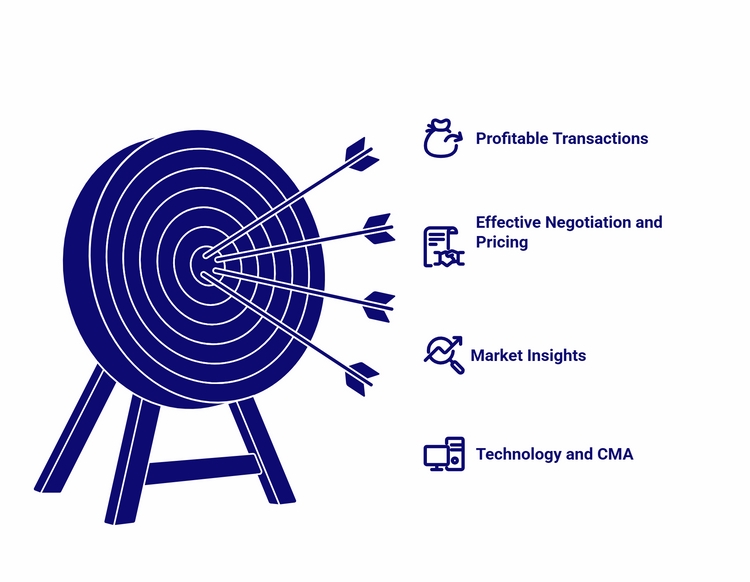
1. Understanding Market Trends and Property Valuation
Agents conduct thorough market research, analysing recent sales data, current listings, and local market conditions to determine a realistic price range for your property.
By factoring in location, property condition, and demand-supply dynamics, agents help avoid overpricing or undervaluing your asset, which could otherwise delay the sale or reduce profit.
2. Using Technology and Comparative Market Analysis
Modern real estate agents use digital tools and platforms to perform comparative market analyses (CMA). These tools aggregate data on similar properties in the neighbourhood, including their features, prices, and sale timelines.
Enabling agents to provide accurate price positioning advice based on up-to-date market intelligence. This data-driven approach ensures your property is competitively priced to appeal to genuine buyers.
3. Negotiation and Pricing Strategy
Beyond setting the asking price, agents assist in developing pricing strategies tailored to market conditions, whether aiming for a quick sale or maximising price. During negotiations, they use their expertise to objectively assess offers and recommend price adjustments when necessary, ensuring you achieve the best possible outcome.
Real estate agents combine market knowledge, professional valuations, and data-driven analysis to help you price your property accurately in 2026 Malaysia. Their strategic guidance and negotiation skills empower you to attract serious buyers effectively and close deals with confidence.
Explore top real estate agent offerings in Malaysia today.How Agents and Negotiators Help You Get the Best Deal?
Real estate agents (REAs) and Real estate negotiators (RENs) in Malaysia play vital roles in securing the best price and terms for your property transactions in 2026 by leveraging expert negotiation skills, market insights, and client representation.
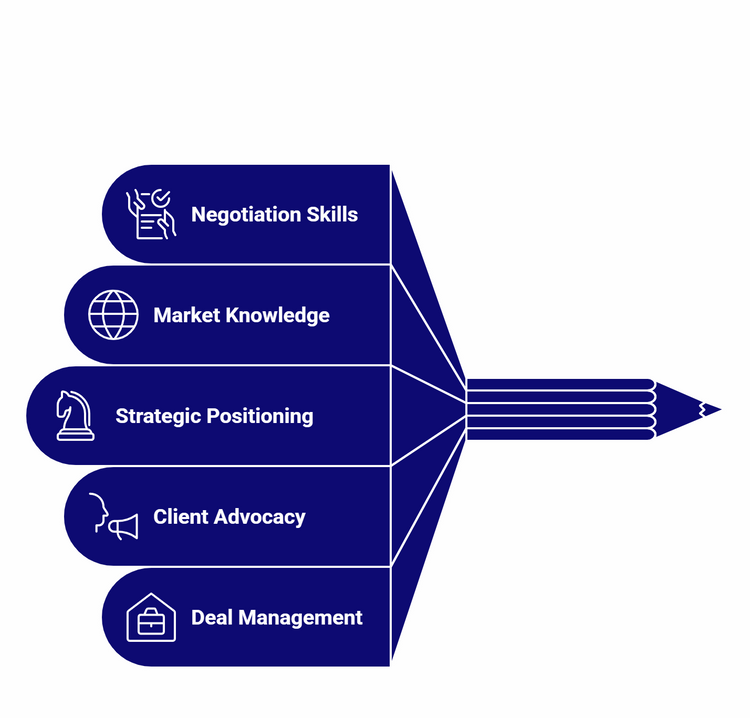
1. Effective Negotiation Skills
Agents and negotiators deploy skilled negotiation techniques tailored to property deals. They focus on understanding the Best Alternative to a Negotiated Agreement (BATNA) to know when to push for better terms or when to ease negotiations.
By actively listening to all parties, they uncover actual needs and concerns, enabling solutions that satisfy both buyers and sellers. Their ability to handle objections calmly and factually helps keep deals on track, turning potential deal-breakers into opportunities for agreement.
2. Market Knowledge and Strategic Positioning
Armed with current market data, experience, and comparative analyses, agents and negotiators advise on realistic pricing and negotiation positions. They highlight unique property features and market trends that add value, helping clients justify their asking price or offers. This strategic positioning increases the likelihood of securing favourable deals without unnecessary concessions.
3. Client Advocacy and Deal Management
Agents and negotiators act as trusted intermediaries, protecting clients’ interests throughout the negotiation process. They manage communication, reduce emotional tension, and keep discussions productive.
By recognising buying signals and timing closing techniques effectively, they facilitate smooth contract signings without pressuring clients, fostering trust and repeat business.
In Malaysia’s dynamic property market, the negotiation expertise of real estate agents and negotiators is essential to achieving the best deal. Their combination of negotiation acumen, market knowledge, and client advocacy ensures transactions are handled skillfully, maximising value while minimising stress for all parties involved.
Digital Tools Real Agents Use in 2026 to Guide Better Decisions
In 2026, Malaysian real estate agents will rely heavily on advanced digital tools to improve decision-making, streamline workflows, and deliver superior client service in a competitive market.
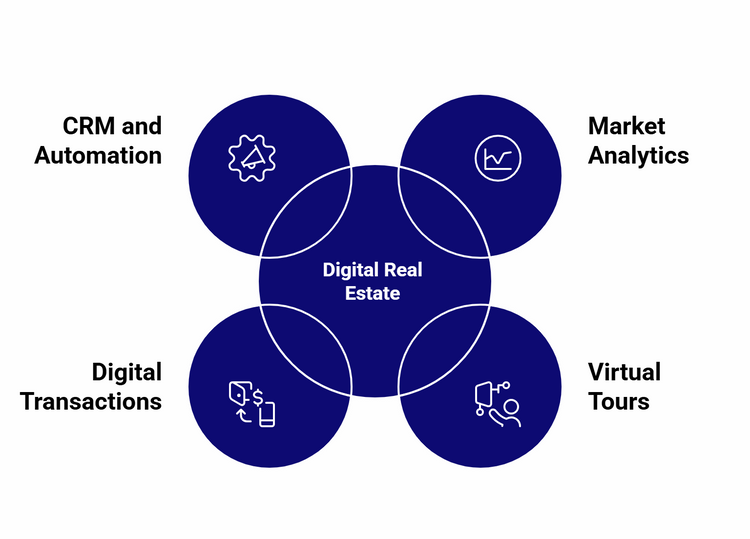
1. Market Analytics and Pricing Tools
Agents use AI-powered pricing engines and automated valuation models (AVMs) to access real-time market data and predictive analytics. These tools analyse historical sales, local demand, and property characteristics to help agents set accurate prices and forecast market trends. This data-driven approach minimises guesswork and supports more precise, confident property valuation advice.
2. Virtual Tours and Augmented Reality
Virtual tour technologies and AR/VR platforms allow agents to showcase properties remotely, offering immersive experiences to prospective buyers. These tools save time, expand reach to international clients, and make property viewing more convenient and engaging, thereby enhancing decision quality by providing better visual information.
3. Digital Transaction Management
Digital platforms for e-signing, document automation, and online land and property registration (e.g., E-Tanah and e-stamping systems) streamline administrative processes.
Agents can manage contracts securely and efficiently, reducing paperwork errors and expediting transaction completion with transparency and regulatory compliance.
4. Customer Relationship Management (CRM) and Automation
Marketing automation software helps agents segment audiences, automate follow-ups, and personalise communications via multiple channels, including WhatsApp and social media.
CRM systems provide holistic client insights, enabling agents to nurture leads effectively and make timely, well-informed recommendations throughout the sales cycle.
By adopting these cutting-edge digital tools, Malaysian real estate agents in 2026 will enhance their accuracy, efficiency, and client engagement. This technology-driven approach enables faster, more transparent transactions and informed decision-making, setting agents apart in a busy market.
Explore comprehensive packages for property professionals.When You Should Hire a Real Estate Agent or Negotiator?
Hiring a real estate agent or negotiator at the right time can significantly impact the outcome of your property transaction in Malaysia’s dynamic 2026 market. Their expertise, market knowledge, and negotiation skills can make buying or selling smoother and more profitable.
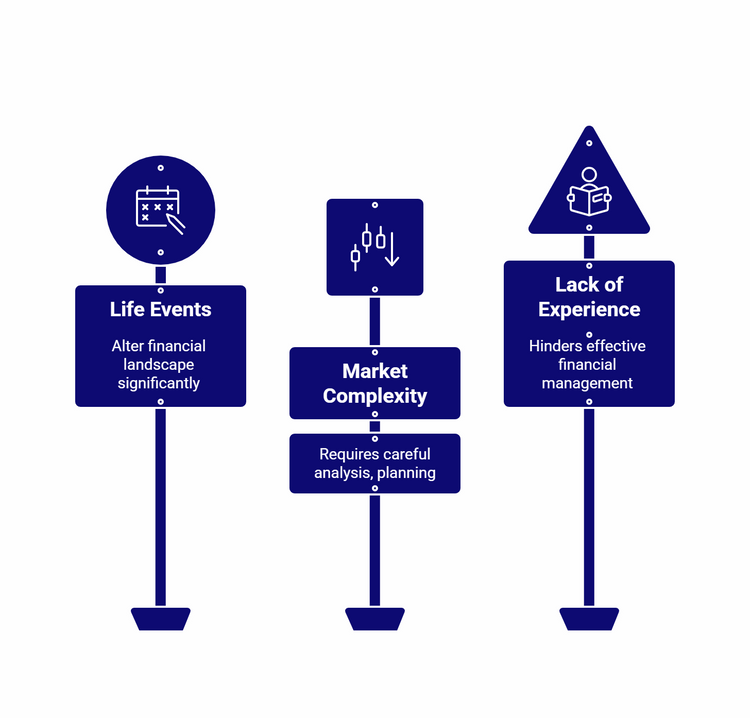
1. Life Events and Financial Considerations
You should consider hiring an agent or negotiator when facing major life events, such as moving to a new city, divorce, or retirement, or financial changes, such as interest rate fluctuations, that affect your ability to buy or sell property. These professionals help manage the complexities and ensure you make informed decisions aligned with your financial situation.
2. Market Complexity and Timing
When entering a competitive or fluctuating property market, agents and negotiators provide critical support in timing your sale or purchase correctly. They offer insights on market trends, pricing strategies, and local demand, which are essential to avoid costly mistakes or delays in transaction completion.
3. Lack of Experience and Time Constraints
If you lack experience with legal procedures, negotiations, or property valuations, hiring an agent or negotiator is advisable. They handle paperwork, marketing, liaising with buyers and sellers, and smooth negotiation. Time-strapped individuals benefit from offloading these tasks to professionals, who can also leverage digital tools to accelerate transactions.
Engaging a real estate agent or negotiator is beneficial when you require expertise, market insights, or support through complex or time-sensitive transactions. Their guidance helps optimise your property outcomes in 2026’s evolving Malaysian market, making them invaluable partners for navigating buying or selling property.
How to Choose the Right Property Professional?
Choosing the right real estate professional, whether a licensed agent or negotiator, is essential to achieving your property goals efficiently and confidently in Malaysia’s 2026 market. The decision impacts the quality of service, negotiation success, and transaction smoothness.
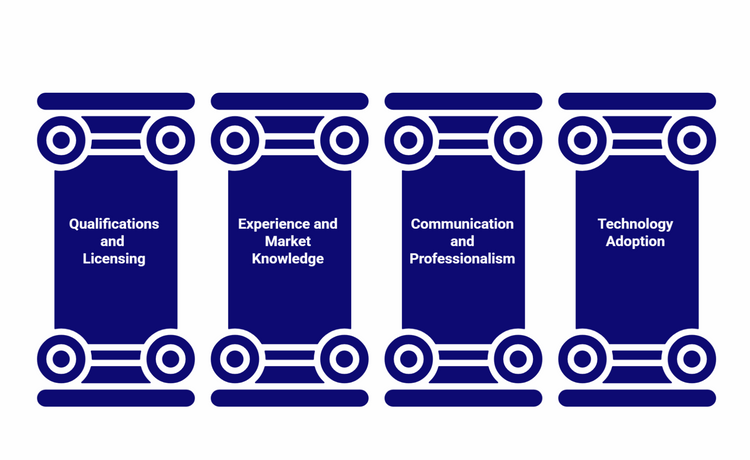
1. Qualifications and Licensing
Ensure the professional is licensed and registered with the Board of Valuers, Appraisers, Estate Agents, and Property Managers (BOVAEA) in Malaysia. Real Estate Agents (REAs) typically have more formal education, passing written exams, and completing a two-year probation under supervision before full licensure. Real Estate Negotiators (RENs) must complete certification and register under an REA. Confirming legitimate credentials guarantees adherence to ethical standards and legal compliance.
2. Experience and Market Knowledge
Look for professionals with proven experience in handling transactions similar to yours, whether residential or commercial. Local market knowledge is critical; they should understand current trends, pricing dynamics, neighbourhood developments, and regulatory updates relevant to 2026. Experienced agents or negotiators can provide accurate pricing advice, negotiate effectively, and identify potential risks.
3. Communication and Professionalism
Choose a property professional who demonstrates clear, timely communication and professionalism during initial interactions. Good agents are proactive, listen to your needs, and maintain transparency about processes and fees. Positive client testimonials or referrals also indicate reliability and client satisfaction.
4. Technology Adoption
The right choice embraces technology, using digital tools for market analysis, virtual tours, customer relationship management, and transaction efficiency. This reflects adaptability to market trends, enabling faster, data-driven decisions and improving overall client experience.
Selecting the right licensed real estate agent or negotiator involves verifying credentials, assessing experience, evaluating communication skills, and ensuring tech-savviness. This careful choice prepares you for a smoother transaction journey and better real estate outcomes in Malaysia’s evolving 2026 market.
See Malaysia’s latest properties for sale in one place.Which Property Professional Will You Trust for Your Next Big Decision?
Choosing the right person to guide your property journey can make every step clearer, smoother, and more reassuring. Whether you rely on a real estate agent for full support or work with a negotiator for focused assistance, the proper professional helps you avoid costly mistakes and make informed choices.
With proper guidance, pricing becomes clearer, negotiations feel easier, and the entire process becomes far less stressful. Now that you understand how each role adds value, you’re better equipped to decide who aligns best with your needs and goals.
Explore our property guides for every stage of your property journey, from purchasing to selling.
Get the latest updates on Malaysia’s new launches and find promising investment options with ease.