
More and more families are choosing to live under one roof with different generations, creating a cosy and connected atmosphere at home.
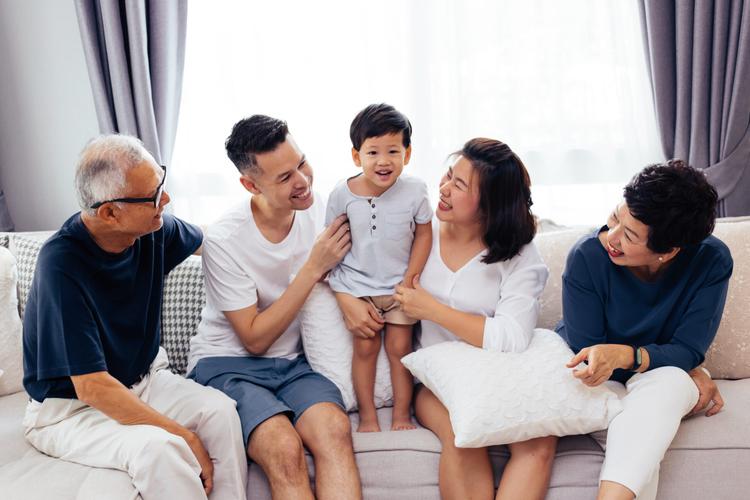
The concept of multiple generations living together under one roof is not new in the Asian community. Deeply ingrained in the culture, it is common for adult children past the age of 19, even into their 30s, to continue residing with their parents.
Contrastingly, in the West, adult children are expected to leave the nest and establish independent lives once they turn 18. Those who chose to continue living under their parent’s roof were often seen as a burden to the family or viewed as failing to achieve the hallmark of adulthood – financial independence.
However, the global attitudes towards multigenerational living underwent a significant transformation in the wake of the COVID-19 pandemic. The widespread disruption caused by the health crisis prompted a reevaluation of traditional living arrangements and societal norms worldwide.
This trend towards multigenerational living is driven by various factors:
1. Easing financial strain
With economic uncertainty, job losses, and housing market volatility, many young adults found themselves rethinking the feasibility of striking out on their own.
In such a landscape, shared living arrangements offer a practical solution to the financial strain. By pooling financial resources and sharing expenses, families can significantly reduce the economic burden associated with inflation.
Today, families are embracing the idea of multiple generations living together under one roof, whether it’s ageing parents moving in with their adult children, or young adults returning home to save money or support their parents as they age.
2. The solution to an ageing society

Over the past decade, Malaysia has experienced a notable shift in its age structure, marked by significant changes in demographic trends.
There has been a consistent decline in the population aged 0 to 14 years and a gradual increase in the percentage of individuals aged 65 years and above. This demographic transition has had a discernible impact on the average age of the Malaysian population, which is projected to rise from 28.2 years in 2015 to an anticipated 34.1 years by the year 2030.
An ageing population is characterized by a demographic that 15 per cent of the total population comprises individuals aged 65 years and above. According to a statement by Malaysia’s Chief Statistician in July 2019, the 15 per cent threshold would be crossed in 2030.
The Malaysian society isn’t ready to meet the needs of a rapidly aging society judging by the unsolved existing problems such as a lack of professional caregivers, affordable care, and elderly-friendly housing, especially in rural areas.
A practical solution would be to live together, which enables families to share caregiving responsibilities and provide emotional support more easily. Overall, these factors combine to make buying a house suitable for multigenerational living an attractive and practical choice for many families in today’s society.
3. Fostering familial bonds
In a fast-paced world, maintaining meaningful connections with family members has become a priority for many individuals. Multigenerational living offers a unique opportunity to cultivate and nurture these bonds on a daily basis, fostering a sense of unity, belonging, and mutual support among family members.
For younger generations, having grandparents or older relatives present in their daily lives offers invaluable wisdom, guidance, and perspective, enriching their upbringing and shaping their values. Similarly, older generations benefit from the companionship and care provided by their children and grandchildren, reducing feelings of isolation and loneliness that may accompany ageing.
4. The need for larger homes
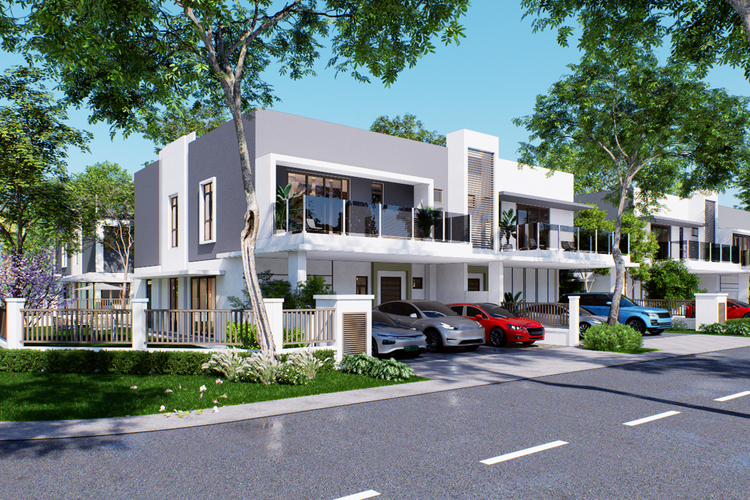
With the relentless rise in housing costs in urban areas, many families face the challenge of affording multiple homes to accommodate each generation.
For younger adults just starting their careers, the prospect of purchasing or renting a home in today’s market can seem overwhelmingly out of reach. Similarly, ageing parents may find themselves on fixed incomes, struggling to keep up with soaring property prices and living expenses.
As a result, property buyers are showing interest in larger homes especially those that can potentially house at least three generations such as the stunning Lakeside Residences. It is located in Puchong City Centre and spans 200 acres of serene landscape, enriched by a plethora of lakeside activities.
Last Chance to Own a Semi-D in Puchong City Centre
Located within this serene gated and guarded community is the newly launched KEYS Lakeside Residences that offers spacious semi-detached homes built on a 40’x80′ land area and 3,313 sq. ft built up. Each Semi-D boasts 7 bedrooms and 6 bathrooms, providing ample space and comfort for family members of every age.
Getting around is easy with immediate access to Lebuhraya Damansara-Puchong (LDP), KESAS Highway, Bukit Jalil Highway (Puchong-Sungai Besi), Middle Ring Road 2 (MRR2), Federal Highway, and North-South Highway. For the younger members of the family who prefer to travel via public transportation, LRT Pusat Bandar Puchong is located within proximity.
Since all of the previous phases are fully sold, the developer, Glomac is offering property buyers one last chance to own a Semi-D within this sought-after development with the launch of KEYS Lakeside Residences.
To find out more about KEYS Lakeside Residences and the array of recreational facilities it offers you and your family, visit the official website or call 03-27277552