
Explore Malaysia’s affordable housing programmes, Rumah Mesra Rakyat and PRR, including eligibility, locations, and government support in 2026.
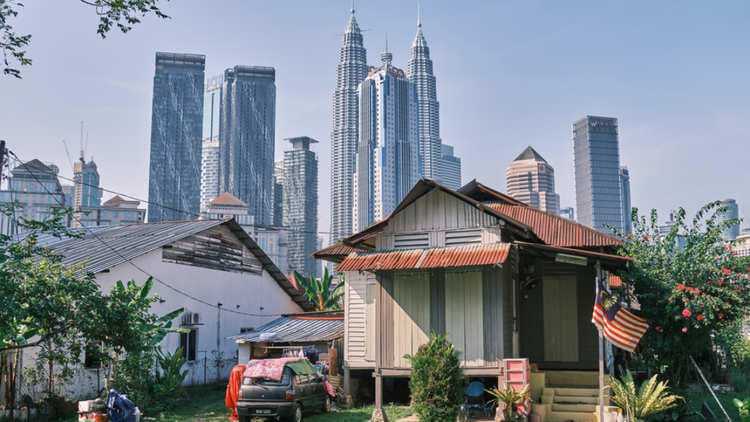
Rumah Mesra Rakyat sits at the heart of Malaysia’s continued push to improve access to affordable housing as the country moves through 2025 and into 2026. Rising construction costs, higher land prices, and stricter financing requirements have made homeownership increasingly challenging, particularly for B40 and lower-income households.
To address this, the Government has reinforced long-standing housing initiatives such as Rumah Mesra Rakyat (RMR) and the Program Residensi Rakyat (PRR). These programmes are designed to meet different housing needs, ranging from landed homes on individually owned land to higher-density residential developments in urban and suburban areas.
Under recent federal budgets, housing supply remains a policy priority. Increased allocations for affordable housing, combined with credit guarantees and targeted assistance, reflect a broader effort to stabilise homeownership access while managing long-term affordability risks.
What Is Rumah Mesra Rakyat (RMR)?
Rumah Mesra Rakyat refers to a Government-supported housing programme administered by Syarikat Perumahan Negara Berhad (SPNB). It is specifically designed to help eligible Malaysians build a basic, functional home on land they already own.
Unlike many affordable housing schemes that involve purchasing a completed unit, RMR focuses on home construction, not acquisition. This approach makes it particularly relevant for rural and semi-urban households where land ownership is more common but financial resources are limited.
Purpose And Objectives:
The primary objective of Rumah Mesra Rakyat is to:
- provide safe and liveable housing for households without suitable homes.
- support families who do not qualify for conventional home loans.
- encourage stable homeownership without excessive financial burden.
Typical House Specifications:
While designs may vary slightly by location and construction conditions, most RMR homes feature:
- Single-storey construction
- Built-up area of approximately 750 sq ft
- Three bedrooms and two bathrooms
- Basic finishes focused on durability and practicality
The emphasis is on functionality rather than aesthetics, ensuring construction costs remain manageable.
Target Groups:
Rumah Mesra Rakyat primarily targets:
- B40 households
- Rural and semi-urban families
- Individuals or families who own land but lack adequate housing
Why Rumah Mesra Rakyat Matters?
The relevance of Rumah Mesra Rakyat has increased due to:
- rising material and labour costs.
- limited access to financing for informal or self-employed workers.
- continued Government commitment under Budget 2025 and Budget 2026.
For many households, RMR remains one of the few viable paths to secure homeownership.
What Is Program Residensi Rakyat (PRR)?

The Program Residensi Rakyat (PRR) forms another core pillar of Malaysia’s public housing framework. Unlike RMR, PRR focuses on strata-based or community-oriented residential developments, typically located in urban and suburban areas.
PRR developments are usually constructed on Government or state land and delivered as completed housing units.
Role Within Public Housing:
PRR aims to:
- address housing shortages in high-density areas.
- provide affordable housing close to employment hubs.
- support long-term urban planning objectives.
Target Beneficiaries:
PRR is generally intended for:
- low-income households without land ownership.
- urban and suburban residents.
- families seeking proximity to public transport and essential services.
PRR And Urban Affordability:
PRR plays a critical role in managing urban affordability by:
- integrating housing with transport infrastructure.
- encouraging planned communities rather than informal settlements.
- providing access to basic amenities such as schools, clinics, and retail facilities.
Key Differences: Program Residensi Rakyat (PRR) vs Rumah Mesra Rakyat (RMR)
Understanding the differences between PRR and Rumah Mesra Rakyat is essential before deciding which programme is more suitable.
| Aspect | Rumah Mesra Rakyat (RMR) | Program Residensi Rakyat (PRR) |
| Housing Type | Landed individual homes | High-density residential units |
| Land Ownership | Required | Not required |
| Location Focus | Rural and semi-urban | Urban and suburban |
| Beneficiaries | B40 households with land | Low-income urban households |
| Delivery Model | Build-on-own-land | Government-developed projects |
| Timeline | Subject to land readiness | Phased project completion |
This comparison helps households assess suitability based on lifestyle, location preference, and land ownership status.
Pipeline And Rollout Plans (2025–2026): Program Residensi Rakyat (PRR) & Rumah Mesra Rakyat (RMR)
Malaysia’s affordable housing strategy continues to prioritise a steady supply through structured rollout plans. Both Rumah Mesra Rakyat and PRR are central to meeting growing housing demand nationwide.
Rumah Mesra Rakyat Pipeline:
According to the Deputy Minister of Housing and Local Government, a total of 5,450 Rumah Mesra Rakyat houses are being built nationwide this year under the programme with an allocation of RM504 million.
Kelantan recorded the highest number of applications with more than 11,000 units completed, followed by Terengganu with more than 10,200 units completed, showing active state-level engagement in the RMR pipeline.
The Government has reaffirmed its commitment to continue RMR beyond 2025, recognising its effectiveness in addressing housing gaps outside major urban centres.
PRR Pipeline:
PRR projects announced under Budget 2025 and Budget 2026 focus on:
- accelerating completion of existing developments.
- rolling out new phases in high-demand locations.
- improving project delivery efficiency.
Some key highlights are:
- Under Budget 2025, nearly 30 PRR projects were planned for completion, expected to benefit about 17,500 new residents once completed.
- The Government allocated RM672 million in Budget 2026 for Residensi Rakyat (PRR) and Rumah Mesra Rakyat initiatives, set to benefit around 33,000 residents next year.
- Specific PRR projects such as PRR Ayer Lanas in Kelantan and PRR Masai in Johor are slated for completion within the next housing cycle.
These developments are expected to benefit tens of thousands of residents over the next few years, while supporting long-term urban planning goals and improving overall housing accessibility across Malaysia.
Locations And State-Level Distribution: PRR & RMR
Understanding where Program Residensi Rakyat (PRR) and Rumah Mesra Rakyat projects are located helps applicants make informed housing decisions. Location directly impacts accessibility, lifestyle, and long-term affordability, making it a key factor in planning for new homeowners.
- Urban Growth Corridors: PRR projects are concentrated in urban growth corridors to provide affordable housing near expanding city centres.
- Transport-Linked Areas: Accessibility to MRT, LRT, and major expressways ensures residents can commute efficiently for work and education.
- High-Demand Employment Zones: PRR projects target areas with significant job opportunities, supporting residents’ economic mobility and reducing commuting costs.
- Decentralised Rural Distribution: Rumah Mesra Rakyat homes are spread across rural and semi-urban regions, reflecting widespread land ownership patterns nationwide.
- Infrastructure and Social Amenities: Locations with roads, utilities, schools, and clinics enhance liveability and overall household convenience for residents.
Effective location planning ensures residents benefit from accessibility, infrastructure, and community services, contributing to sustainable living and housing satisfaction.
Eligibility For Rumah Mesra Rakyat 2026
Applicants for Rumah Mesra Rakyat 2026 must meet specific criteria to qualify for approval. Understanding eligibility helps ensure a smooth process and avoids unnecessary delays or rejections.
Key Criteria:
- Malaysian citizenship: Applicants must hold Malaysian citizenship, verified through identification documents, for SPNB eligibility purposes.
- Household income within B40 thresholds: Total household income must fall within the Government-defined B40 limits for support.
- Ownership of suitable land: Applicants must have legally owned land suitable for constructing a single-storey RMR home.
- No ownership of another adequate residential property: Applicants cannot currently own another home meeting minimum living standards.
Meeting these eligibility requirements ensures applicants are considered for Rumah Mesra Rakyat without unnecessary complications.
Application Process: Rumah Mesra Rakyat 2026
Applying for Rumah Mesra Rakyat 2026 involves multiple structured steps to ensure eligibility and compliance. Following each stage carefully helps applicants avoid delays, rejections, or misunderstandings during the approval and construction process.
Step 1: Online registration
Submit an initial application through the SPNB portal, providing accurate personal details and preferences to formally express interest in the programme.
Step 2: Income verification
Provide salary slips, EPF records, or tax documents to confirm total household income aligns with the B40 eligibility thresholds set by SPNB.
Step 3:Land ownership verification
Applicants must submit legal documents proving ownership of suitable land, ensuring the plot meets requirements for constructing a Rumah Mesra Rakyat home.
Step 4: Site inspection
SPNB conducts a thorough field visit to assess the land’s condition, accessibility, and readiness for building, including utilities and the surrounding environment.
Step 5: Financial assessment
Review of applicant’s financial capability to manage minor construction or administrative costs not covered by SPNB, ensuring long-term affordability and project sustainability.
Step 6: Document submission
All required forms, identification papers, land documents, and supporting financial records must be complete, accurate, and submitted according to SPNB guidelines.
Step 7: Approval and allocation
SPNB reviews applications, approves eligible candidates, allocates construction schedules, and provides updates to applicants on timelines, responsibilities, and next steps.
Step 8: Signing of SPA (Sale and Purchase Agreement)
Final legal step confirming project participation and obligations. Applicants formally sign the SPA, completing the legal process that confirms participation, responsibilities, payment terms, and obligations under the programme.
Careful adherence to all steps ensures applicants are prepared, increases approval chances, and prevents unnecessary delays.
Key Preparations for Applicants Before Applying to Rumah Mesra Rakyat 2026
Proper preparation ensures that Rumah Mesra Rakyat applications proceed smoothly without unnecessary interruptions. Gathering documentation and financial records beforehand can prevent rejections or prolonged waiting periods.
Preparation Checklist:
- Identification and income documents: Include IC, EPF records, and salary statements to prove identity and income.
- Proof of land ownership: Legal documents, such as land titles, must be submitted for verification purposes.
- Basic financial readiness: Applicants should assess savings and budget for minor costs not covered by SPNB.
Being fully prepared with all required documents helps applicants complete the process confidently and efficiently.
Keep track of the latest property transactions in MalaysiaGovernment Funding, Support And Housing Assistance: PRR & RMR

The Malaysian Government provides extensive support for Rumah Mesra Rakyat and Program Residensi Rakyat (PRR) to improve access to affordable housing.
These initiatives are designed to assist lower-income households in overcoming financial barriers while promoting sustainable homeownership opportunities across urban and rural areas.
Key Measures Include:
- Direct Construction Subsidies: The Government provides partial or full subsidies to reduce construction costs, enabling eligible households to build or purchase homes affordably.
- Budget Allocations Under Housing Programmes: Annual budget commitments fund ongoing and upcoming RMR and PRR projects, ensuring continuity and expansion of affordable housing nationwide.
- Credit Support Through Skim Jaminan Kredit Perumahan (SJKP): This scheme helps applicants access financing with reduced risk, supporting households who might otherwise struggle to obtain loans.
- Policy Coordination With Federal and State Agencies: Collaboration ensures projects are delivered efficiently, aligned with local infrastructure, and targeted to areas of greatest housing need.
- Encouraging Responsible Lending Practices: Government measures maintain financial discipline while protecting low-income households from over-indebtedness, promoting long-term housing stability.
Through these combined efforts, the Government strengthens housing accessibility, enabling thousands of Malaysian families to own homes while fostering financial security and community development.
Common Challenges And Considerations For Applicants: RMR and PRR
Applicants planning to apply for Rumah Mesra Rakyat or PRR should understand potential challenges. Awareness of these factors helps manage expectations and ensures a smoother application process.
Key Considerations:
- Delays due to incomplete land documentation can slow approval and postpone construction significantly for applicants.
- Construction timelines are often affected by site conditions, weather, or the availability of materials locally.
- Differences between expected and actual completion schedules may affect moving plans and family arrangements.
- Limited availability of local contractors can increase costs and extend construction timelines for some homes.
- Financial readiness is crucial, as unexpected expenses may arise during construction or legal processing.
Understanding these challenges early helps applicants prepare adequately, reducing stress and ensuring informed decisions throughout the housing process.
How PRR And RMR Fit Into Malaysia’s Housing Future
Program Residensi Rakyat (PRR) and Rumah Mesra Rakyat 2026 play a critical role in shaping Malaysia’s long-term housing landscape. By targeting both urban and rural households, these initiatives provide structured pathways for affordable homeownership while addressing socio-economic disparities across regions.
Key Contributions Include:
- Reducing Housing Inequality: These programmes prioritise lower-income households, ensuring that B40 families gain equitable access to safe, affordable homes nationwide.
- Supporting Balanced Urban and Rural Development: PRR focuses on urban growth corridors, while Rumah Mesra Rakyat spreads to rural areas, promoting equitable regional development.
- Stabilising Long-Term Homeownership: By offering secure, subsidised housing and financing support, these programmes help households maintain ownership over time, reducing displacement risk.
- Strengthening Community and Infrastructure Planning: Both programmes encourage development in areas with essential amenities, public transport, and local services to enhance livability.
- Aligning With National Affordable Housing Goals: They contribute to Malaysia’s broader housing targets, reinforcing the Government’s commitments to inclusive, sustainable, and future-ready housing policies.
The continued rollout of PRR and Rumah Mesra Rakyat beyond 2026 underscores Malaysia’s commitment to long-term affordability, inclusive urban planning, and ensuring that homeownership remains attainable for lower-income citizens.
Looking Ahead: Affordable Housing In Malaysia
As Malaysia navigates housing affordability challenges in 2025 and 2026, Rumah Mesra Rakyat and PRR remain essential components of the national housing framework. Each programme serves a distinct purpose, catering to different household needs and living environments.
By understanding eligibility criteria, location considerations, and long-term implications, homebuyers can make informed decisions aligned with their financial capacity and lifestyle goals.
Get expert tips, practical advice, and comprehensive guides to navigate Malaysia’s property market. Read Property Guides on iProperty Malaysia.