
The Penang LRT project has shifted from concept to visible reality, signalling a major turning point in how the state approaches mobility, urban planning, and property growth. With early works underway and alignment certainty improving, attention is now turning to station design discussions and the corridors set to benefit most. For homebuyers and investors, the focus is no longer on whether the LRT will materialise, but on how improved connectivity, evolving station plans, and transit oriented development will influence daily commuting, neighbourhood appeal, and long term property value across Penang.
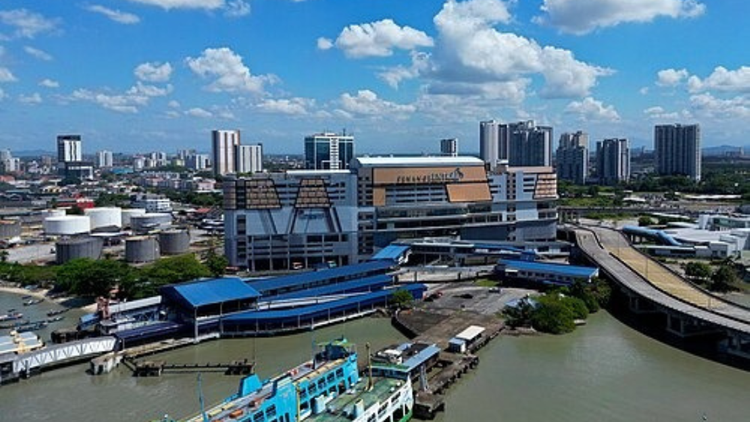
The Penang LRT project has moved from long-term planning into an active development phase, marking a significant shift in how Penang approaches public transport, urban growth, and property planning. As of 2026, the project is no longer just a future vision. Early works are underway, traffic management plans are being rolled out, and homebuyers are beginning to reassess where they live and invest.
For buyers, the key questions are no longer if the Penang LRT project will happen, but how it will shape daily commuting, neighbourhood accessibility, and long-term property value. Among the most discussed topics are reports of station sizing changes and which corridors along the alignment deserve close attention.
This article breaks down the latest progress of the Penang LRT project, explains what station sizing discussions really mean, highlights the corridors to watch, and outlines what homebuyers and investors should realistically expect as the project advances.
Overview Of The Penang LRT Project
The Penang LRT project, officially known as the Mutiara Line Light Rail Transit, is Penang’s first modern rail-based public transport system. It forms a core component of the Penang Transport Master Plan and aims to reduce congestion while supporting more sustainable urban development.
Key project fundamentals include:
- Approximately 29.5 kilometres of elevated track
- Planned stations
- A north–south alignment across Penang Island
- A cross-channel connection to Seberang Perai via Penang Sentral
The Penang LRT project connects major employment centres, residential zones, and transport hubs, including George Town, Komtar, Bayan Lepas, and Penang Sentral. The route is designed to support daily commuters, airport users, and intercity travellers.
Why The Penang LRT Project Matters In 2026
By 2026, Penang will continue to face structural transport challenges that cannot be solved through road expansion alone. Limited land availability, heritage preservation in George Town, and increasing vehicle ownership have made congestion a daily reality for many residents.
The Penang LRT project matters because it directly addresses these constraints through:
- A high-capacity public transport alternative
- Predictable travel times regardless of road conditions
- Reduced reliance on private vehicles
For homebuyers, this translates into practical lifestyle benefits. Shorter commuting times, reduced fuel costs, and improved access to employment hubs are becoming increasingly important, particularly for younger households and families with dual-income earners.
From a broader economic standpoint, the Penang LRT project also supports workforce mobility, making it easier for businesses to attract talent without requiring employees to live close to their workplace.
Current Status Of The Penang LRT Project
As of 2026, the Penang LRT project has entered a critical execution phase. While full-scale viaduct construction is still ramping up, several foundational activities are already in progress.
1. Early Works And Preparations
Early works focus on preparing the physical and regulatory groundwork required for long-term construction. These include:
- Soil investigations to determine foundation requirements
- Utility relocation to prevent service disruptions
- Site clearance and temporary access arrangements
Although these activities may appear low-profile, they are essential for ensuring that later construction phases proceed smoothly and safely.
2. Construction Timeline And Phasing
The Penang LRT project follows a phased construction approach. Rather than working on the entire alignment simultaneously, sections are developed in stages to:
- Reduce widespread traffic disruption
- Allow better coordination with local councils
- Manage construction risk more effectively
The overall completion target remains 2031, with Government agencies reaffirming that current progress aligns with the planned schedule.
Browse the best rentals homes in PenangUnderstanding Station Sizing Changes
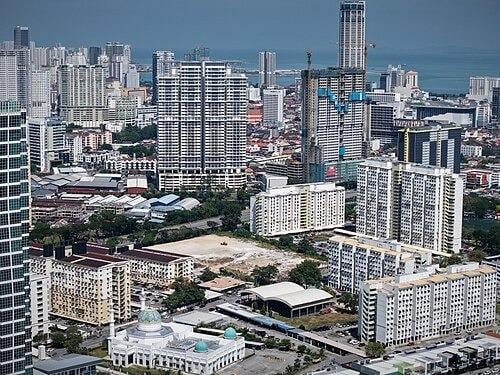
Station sizing has become one of the most discussed aspects of the Penang LRT project, particularly among industry observers and property buyers concerned about future passenger capacity.
1. What Does Station Sizing Mean in Practice?
Station sizing goes beyond how large a station looks. It includes:
- Platform length and width
- Vertical circulation, such as lifts and escalators
- Passenger lobby space
- Provision for future train length expansion
These elements determine how comfortably stations can handle peak-hour crowds and whether capacity can be increased without major reconstruction.
2. Why the Topic Emerged?
Discussions around station sizing surfaced during the tender evaluation stage, where technical proposals are assessed for efficiency, cost, and long-term scalability. Such discussions are common in large infrastructure projects and do not automatically indicate a reduction in standards.
For the Penang LRT project, authorities have clarified that no confirmed downsizing has been approved, and that stations will still be built to accommodate projected ridership growth.
What Has Not Changed In The Penang LRT Project
Despite public debate, several fundamental components of the Penang LRT project remain firmly in place.
1. Alignment Certainty
The overall route alignment, including key station locations, has remained unchanged. This provides certainty for:
- Homebuyers assessing long-term accessibility
- Developers planning future projects
- Local councils managing zoning and infrastructure
Alignment stability is particularly important in urban areas where uncertainty can delay investment decisions.
2. Commitment To Safety And Accessibility
The Penang LRT project continues to prioritise modern safety and accessibility standards. Planned features include:
- Platform screen doors to improve passenger safety
- Barrier-free access for wheelchair users and elderly commuters
- Advanced signalling systems to support efficient operations
These features ensure the system meets contemporary urban rail expectations.
Key Corridors To Watch Along The Alignment
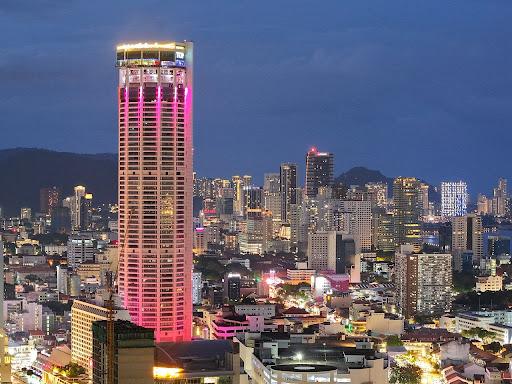
Understanding which corridors are most affected by the Penang LRT project helps buyers evaluate both short-term disruption and long-term benefits.
1. Bayan Lepas And Airport Corridor
The BAYAN LEPAS corridor is one of the most economically significant sections of the Penang LRT project. It serves:
- Penang International Airport
- The Bayan Lepas Free Industrial Zone
- Surrounding residential neighbourhoods
Improved rail connectivity here primarily benefits daily commuters, particularly those working in manufacturing, technology, and logistics sectors.
2. George Town And Komtar Corridor
The GEORGE TOWN and KOMTAR corridor forms the civic and commercial heart of the island. This area faces severe parking limitations and congestion, making public transport accessibility especially valuable.
For residents, the Penang LRT project offers:
- Easier access to employment centres
- Reduced reliance on private vehicles
- Improved connectivity to other parts of the island
3. Jelutong And Sungai Pinang Corridor
Jelutong and Sungai Pinang represent transitional neighbourhoods where older housing stock coexists with newer developments.
The Penang LRT project enhances these areas by:
- Improving access to city centres and industrial zones
- Supporting gradual urban regeneration
- Making mid-priced housing more attractive to owner-occupiers
4. Cross-Channel Link To Penang Sentral
The marine viaduct connecting the island to Penang Sentral is a defining feature of the Penang LRT project.
This link enables:
- Seamless transfers to KTM services
- Better integration between the land and mainland labour markets
- Reduced dependence on road bridges
For mainland residents working on the island, this connection significantly improves daily commuting reliability.
Learn more about the Malaysian property market with property guidesConstruction Impact And Traffic Management
Large-scale infrastructure projects like the Penang LRT project inevitably affect traffic patterns and daily routines, especially during the construction phase. While the long-term benefits are clear, homebuyers and residents must understand what temporary disruptions to expect.
1. Short-Term Disruption
During the early and mid-construction stages, residents can anticipate:
- Temporary lane reductions and diversions on key arterial roads, such as Jalan Sultan Azlan Shah, Magazine Road, and the Bayan Lepas industrial corridor.
- Construction noise and vibrations, particularly during piling and viaduct erection. These are typically limited to daytime hours to comply with local regulations.
- Pedestrian access adjustments, including relocated walkways and additional safety barriers near construction zones.
Authorities have committed to phased construction and clear signage to minimise inconvenience, particularly during peak traffic hours.
2. Practical Advice For Homebuyers
If you are considering buying a property along the Penang LRT project route:
- Evaluate distance from construction sites, as properties immediately adjacent may experience temporary noise or access limitations.
- Look at long-term accessibility gains, which often outweigh short-term disruption. For example, a property slightly further from a station but with easy walking access may offer both convenience and quieter surroundings.
- Consider future connectivity, especially if your workplace or children’s schools are near the LRT route. Improved travel time can significantly enhance daily life.
By assessing both short-term challenges and long-term benefits, buyers can make informed decisions that balance lifestyle and investment potential.
Property Market Implications For Homebuyers

The Penang LRT project is poised to reshape Penang’s property landscape, but its effects are gradual rather than immediate. Rather than causing speculative price spikes, the LRT primarily enhances property accessibility and long-term value stability.
1. Lifestyle-Driven Demand
Properties located within walking distance of LRT stations often experience consistent interest from owner-occupiers. The appeal comes from:
- Reduced commuting times, which improve work-life balance
- Greater mobility for students and families, particularly those attending choice schools near station corridors
- Convenience for daily errands, as many stations are integrated with retail or mixed-use developments
Even modest improvements in accessibility can translate into higher tenant retention rates for those renting properties in LRT-adjacent areas.
2. Location-Specific Considerations
Different corridors of the Penang LRT project affect property demand differently:
- Bayan Lepas and airport corridor: Ideal for families and professionals working in the industrial and tech sectors. Properties here are attractive for their access to the airport and major employment hubs.
- George Town and Komtar corridor: Suited for urban professionals seeking proximity to commercial centres, restaurants, and lifestyle amenities.
- Jelutong and Sungai Pinang corridor: Offers mid-density housing options, appealing to buyers prioritising affordability without sacrificing connectivity.
Understanding these nuances helps buyers align their property choice with personal lifestyle priorities.
Check out the latest property transactions in PenangRental And Investment Considerations: Penang LRT Project
For investors, the Penang LRT project provides stability and predictable demand rather than rapid speculative gains.
1. Rental Market Impact
The introduction of LRT connectivity is expected to:
- Broaden the tenant pool, as commuting becomes easier for employees and students.
- Increase rental stability, particularly near stations in high-demand corridors.
- Reduce vacancy periods, as tenants increasingly value accessibility.
However, it is important to set realistic expectations. While rental demand may rise, yields in Penang are generally moderate compared with Klang Valley, so investors should focus on long-term appreciation rather than immediate profits.
2. Factors Affecting Investment Decisions
- Proximity to the station: Walkable distance typically drives stronger rental demand.
- Neighbourhood amenities: Schools, parks, and retail options increase attractiveness.
- Property size and layout: Smaller units (800–1,200 sq ft) near stations often appeal to young professionals, while families may prefer larger 1,500–2,000 sq ft units within a short commute.
Investors who factor in practical commuting benefits alongside rental demand can make informed, sustainable investment choices.
Risks, Challenges, And Practical Realities
While the Penang LRT project is a major step forward, it is not without challenges. Understanding these helps homebuyers and investors make balanced decisions.
1. Key Challenges
- Construction Delays: Unforeseen issues such as weather disruptions, soil complications, or contractor delays can affect the timeline.
- Cost Management: Large infrastructure projects often face cost escalations. While the Government maintains oversight, minor adjustments are possible.
- Public Response: Temporary traffic disruption or construction noise can trigger complaints, which may influence phased construction schedules.
2. Managing Buyer Expectations
Homebuyers should recognise that short-term inconvenience is part of urban development. Evaluating the long-term benefits, such as reduced travel time, connectivity to employment hubs, and potential property appreciation, is essential for informed decision-making.
Awareness of these challenges and maintaining realistic expectations allows buyers to make confident decisions while focusing on the long-term benefits the Penang LRT project offers.
Long-Term Outlook Beyond 2026
Looking beyond 2026, the Penang LRT project is a catalyst for broader urban transformation. Its strategic impact extends beyond immediate commuting benefits to shaping Penang’s residential and commercial development patterns.
1. Transit-Oriented Development Opportunities
The LRT encourages Transit-Oriented Development (TOD), integrating residential, commercial, and recreational spaces near stations. Benefits include:
- Walkable communities that reduce reliance on cars
- Mixed-use precincts offering retail and lifestyle options
- Sustainable urban growth that aligns with environmental planning
2. Future Expansion Potential
The current Mutiara Line may eventually be complemented by:
- Additional feeder lines connecting northern and western Penang
- Enhanced bus networks providing last-mile connectivity
- Integration with Penang’s intercity transport infrastructure
These developments will strengthen Penang’s position as a connected, modern urban centre, making properties near LRT corridors increasingly desirable over the long term.
Making Informed Decisions On The Penang LRT Project
The Penang LRT project is more than just a transport initiative; it represents a long-term strategy for urban development in Penang. For homebuyers and investors, the focus should be on practical commuting advantages, rather than short-term speculative gains.
Assessing neighbourhood suitability, daily lifestyle needs, and long-term accessibility, especially in high-demand corridors, can guide smarter property decisions. Properties located along the LRT route are likely to offer enhanced liveability, convenience, and rental stability, highlighting the value of thoughtful, strategic planning over immediate market trends.
Discover the latest residential developments across key growth areas in Malaysia. View New Launches on iProperty Malaysia.