

In any property journey whether purchasing your first home, upgrading to a larger space, or handing over keys as a landlord, there’s a familiar rhythm to the process. Buyers and tenants carefully review Sale & Purchase Agreements, landlords prepare tenancy contracts, deposits are negotiated, and moving logistics are meticulously planned. Yet amid all these essential steps, one critical detail is frequently overlooked – the electricity account management and it is often only noticed when complications arise.
The Overlooked Detail That Can Cost You
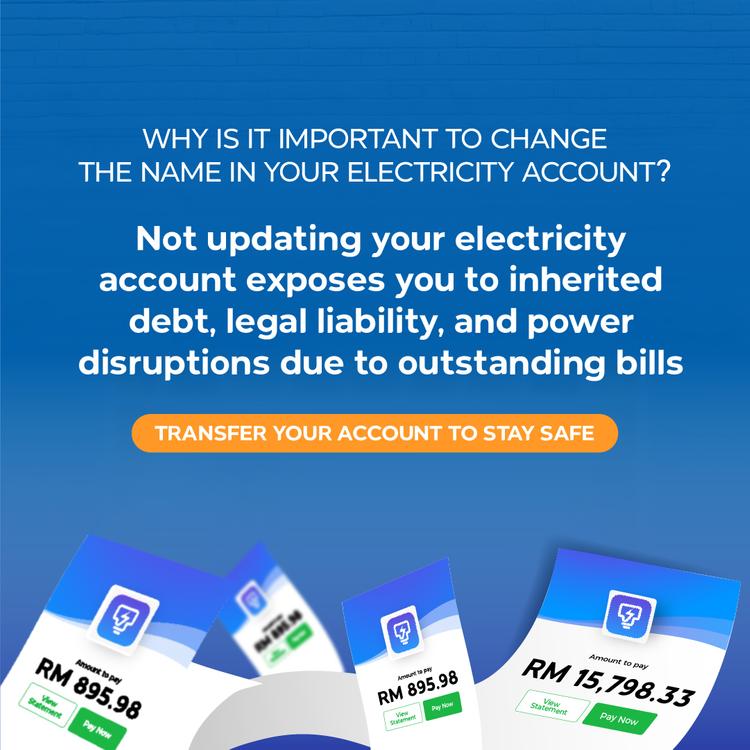
This oversight stems from a common assumption that utility matters will naturally “sort themselves out” once keys are exchanged. Electricity accounts remain legally tied to the registered holder until an official action is taken. Without proper closure or transfer, outgoing owners or tenants may continue to be billed for usage they no longer control, while incoming occupants may face delays or complications when trying to activate services. In property terms, this creates an unnecessary liability gap that can easily be avoided with the right awareness.
Reframing the Process: COT & COA as Essential Property Steps
This is where Change of Tenancy (COT) and Close of Account (COA) come into play. Rather than being viewed as administrative afterthoughts, these should be treated as standard components of any property transition, like finalising contracts or settling financial obligations.
A Change of Tenancy ensures that the electricity account is formally transferred to the new occupant whether that is a buyer or tenant to maintain continuity of service while clearly shifting responsibility. On the other hand, a Close of Account is essential when a property is vacated without immediate occupancy, ensuring that no further charges are incurred under the previous holder’s name.
The decision between transferring and closing an account is, in fact, straightforward when aligned with the property scenario. For instance, landlords welcoming new tenants or homeowners completing a sale should initiate a transfer to ensure a seamless handover. Conversely, if a property is expected to remain vacant or if there is a gap between occupants, closing the account provides a clean break, eliminating any lingering financial exposure. When handled correctly, these actions safeguard both parties and support a smooth, dispute-free transition.
A Simple, Digital-First Process
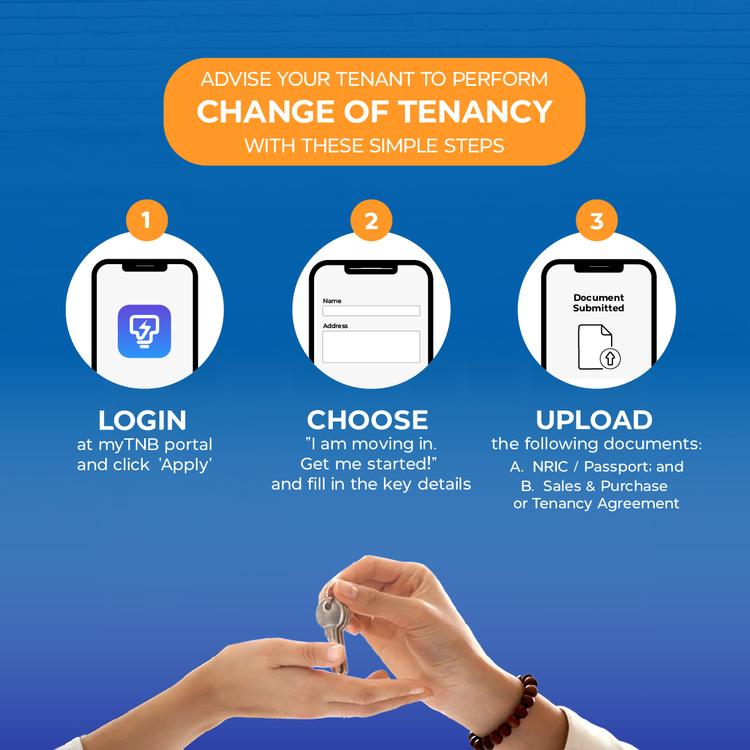
What makes this process even more relevant today is how significantly it has been simplified. Through digital platforms such as Tenaga Nasional Berhad’s myTNB portal, what was once perceived as a time-consuming task, can now be completed within minutes. Users are guided through clear, structured steps, typically requiring only basic identification, supporting property documents such as a tenancy agreement or Sale & Purchase Agreement. The system is designed with accessibility in mind, allowing users to manage their accounts anytime and from anywhere, reflecting the expectations of today’s digitally driven property landscape.
As Malaysia’s property market continues to evolve with rising activity in sub-sales, rentals, and first-time homeownership, the importance of managing every stage of a transaction becomes increasingly critical. Electricity account management is no longer a backend concern; it is an integral part of responsible property ownership and tenancy management. Overlooking it not only introduces avoidable risks but also undermines the otherwise seamless experience that buyers, tenants, and landlords strive for.
The New Essential in Every Property Checklist
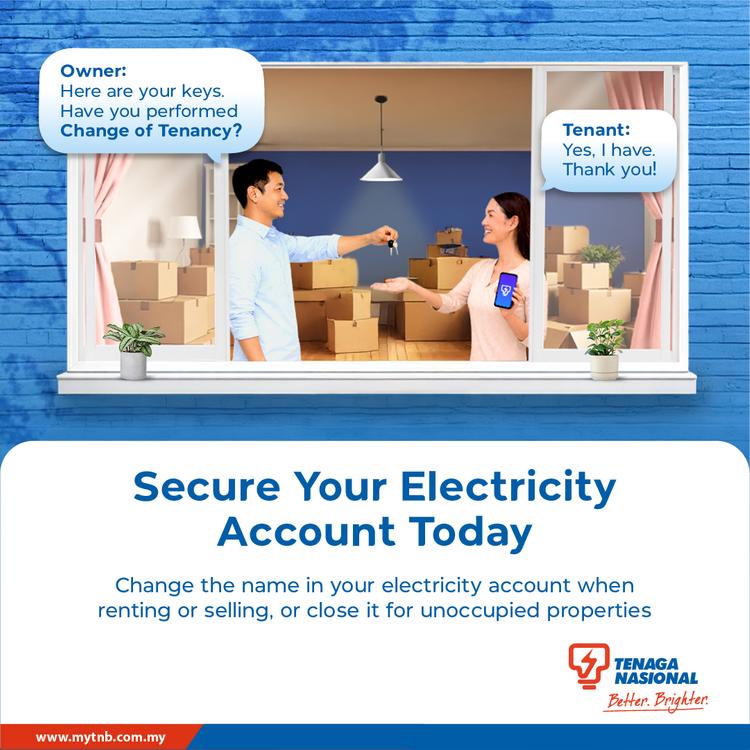
Ultimately, the modern property checklist is no longer limited to contracts, payments, and physical handovers. It extends to ensuring that every operational detail is properly accounted for. By incorporating COT and COA into your moving process, you are not just completing a task but protecting your financial position, maintaining clarity between parties, and ensuring continuity for the next chapter of occupancy. In a journey defined by significant investments and long-term commitments, it is often these seemingly small steps that make the most meaningful difference.
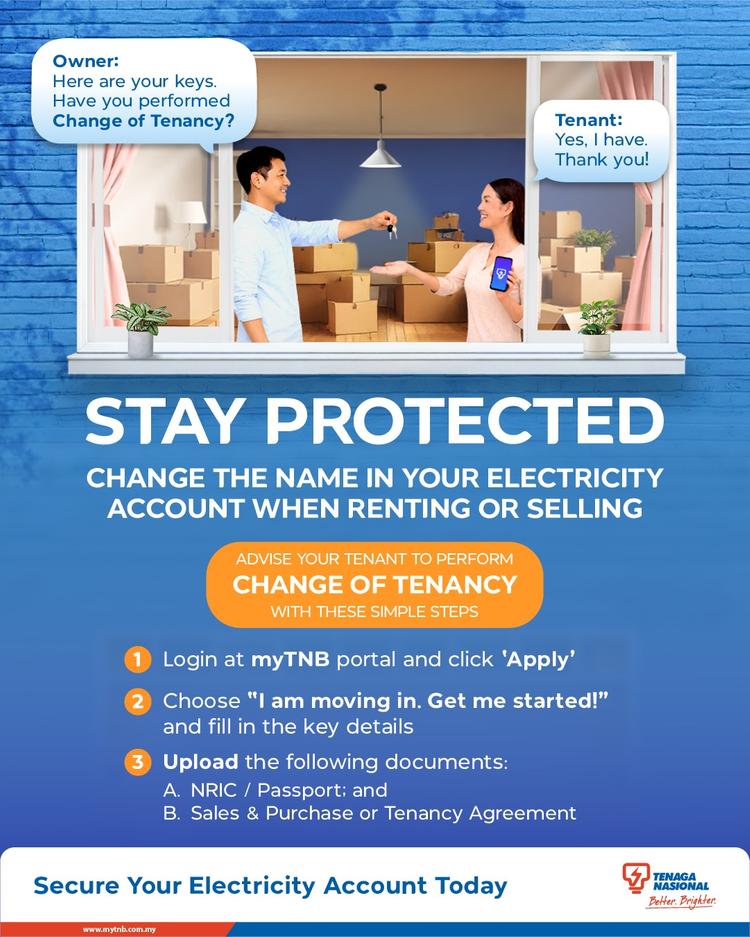
For more information about the simplified process of Change of Tenancy or Close of Account, please visit https://www.mytnb.com.my/residential/get-electricity/change-of-tenancy