
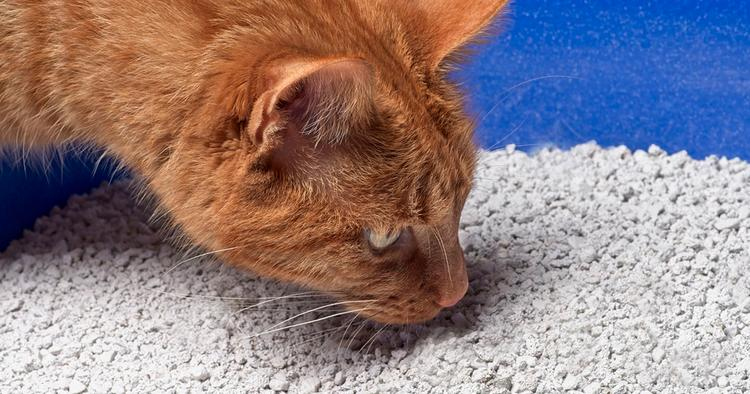
Cat urine can quickly become a problem when accidents happen around the home. Whether it is on the floor, sofa, bed, or curtains, the strong smell can linger, and repeated incidents may leave you wondering what is causing the behaviour.
Simply masking the odour is unlikely to solve the problem. Cats may urinate outside their litter box because of an unsuitable toilet setup, stress, territorial marking, or an underlying health issue.
Getting to the root of the problem can help you deal with both the smell and the behaviour. In this guide, we explain how to get rid of cat pee smell, why your cat may be urinating around the house, how to prevent repeat accidents, and when the behaviour may require veterinary attention.
Discover new homes for sale in Malaysia and find a home that suits your lifestyle.Why is your cat peeing everywhere?
Cats may urinate outside their litter box for behavioural, environmental, or medical reasons. Finding the cause is important because cleaning the affected area alone may not prevent another accident.
Common reasons include:
- Medical problems: Urinary conditions and other health problems can affect toilet habits.
- A dirty litter box: Some cats may avoid a box that has not been cleaned regularly.
- An unsuitable setup: The box may be too small, difficult to access, or in an uncomfortable location.
- Stress: Moving home, renovation work, new pets, visitors, or changes in routine may affect some cats.
- Territorial behaviour: Cats may use urine to mark their territory.
- Competition: Cats in multi-cat households may not feel comfortable sharing litter boxes.
- Mobility problems: Older cats or those with mobility difficulties may struggle to enter a high-sided box or reach one upstairs.
It is also useful to distinguish urinating from spraying. A cat urinating typically squats and leaves a puddle on a horizontal surface. Spraying usually involves a smaller amount of urine deposited on a vertical surface, such as a wall, door, or curtain.
What are the ways to stop your cat from peeing everywhere?
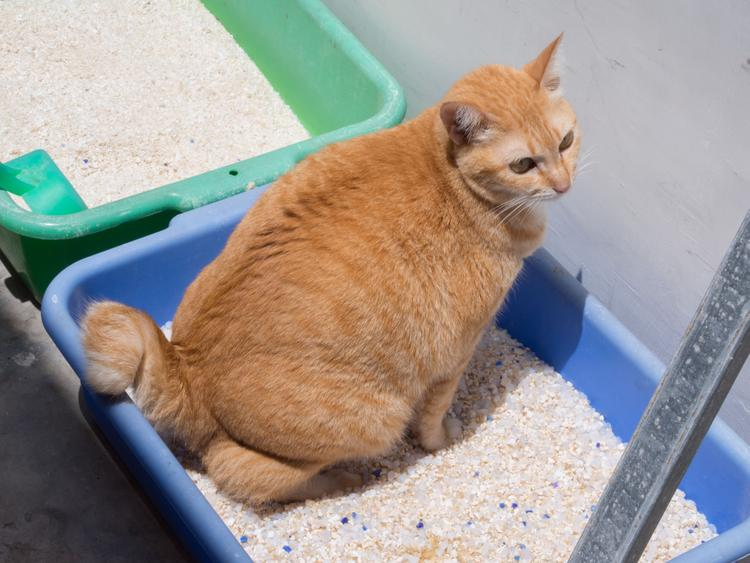
Preventing repeat accidents helps keep lingering urine smells under control. If your cat regularly urinates outside its litter box, a few practical changes at home may help.
1. Rule Out A Medical Problem
Sudden inappropriate urination may indicate a health problem. Arrange a veterinary check-up, particularly if you notice blood, straining, frequent urination, vocalising, or unusually small amounts of urine.
2. Keep The Litter Box Clean
Scoop waste regularly, replace litter when needed, and wash the box periodically. Avoid heavily fragranced cleaning products, as some cats may find strong scents unpleasant.
3. Set Up The Litter Box Properly
Provide one litter box per cat, plus one extra, where practical. Choose appropriately sized boxes and place them in separate, quiet, easily accessible areas around your home.
4. Reduce Stress And Territorial Triggers
Moving home, renovations, new pets, visitors, and outdoor cats can cause stress or territorial behaviour. Maintain a consistent routine and reduce exposure to identifiable triggers where possible.
5. Avoid Punishing Your Cat
Shouting at or frightening your cat will not address the underlying problem and may increase stress. Instead, clean accidents thoroughly and look for patterns behind the behaviour.
6. Consider Spaying Or Neutering
Spaying or neutering may reduce hormone-related urine marking, particularly in sexually intact cats. Speak to your veterinarian about whether the procedure and its timing are appropriate.
Small changes to your cat’s environment and routine can help reduce repeat accidents. If the behaviour continues, seek veterinary advice to identify the underlying cause.
Search properties for sale in Malaysia and compare available homes.How to get rid of cat pee smell from your home?
Cat urine can leave a persistent smell, especially when it soaks into carpets, fabrics, mattresses, or other absorbent materials. Instead of simply masking the odour, use a cleaning method that tackles the urine residue itself. Here are 10 practical solutions.
1. Blot Fresh Urine Immediately
Place paper towels or an absorbent cloth over fresh urine and press firmly to soak it up. Avoid rubbing, as this can push the urine further into carpets or upholstery.
2. Use An Enzymatic Cleaner
Apply a pet-safe enzymatic cleaner designed for urine stains. These products help break down components of cat urine rather than simply covering the odour with another fragrance.
3. Try A Diluted Vinegar Solution
For suitable surfaces, mix equal parts white vinegar and water and apply it to the affected area. Vinegar can help neutralise alkaline salts that develop in dried urine. Always test the solution on a small area first.
4. Use Baking Soda On Suitable Dry Surfaces
Once the affected area is dry, baking soda can help absorb lingering odours from suitable carpets or fabrics. Leave it for several hours before vacuuming it thoroughly.
5. Wash Urine-Soiled Fabrics Thoroughly
Wash removable cushion covers, blankets, bedding, and clothing according to their care labels. Pre-treat affected areas where appropriate, and check that the smell has disappeared before drying.
6. Deep-Clean Carpets And Rugs
Urine may penetrate through carpet fibres into the backing or underlay. Treat the affected area deeply enough with a carpet-safe enzymatic cleaner and allow it to air-dry completely.
7. Treat Mattresses And Sofas
Blot fresh urine first, then apply an enzymatic cleaner suitable for mattresses or upholstery. Avoid oversaturating the material, and allow the treated area to dry completely before use.
8. Clean Timber And Hard Floors Carefully
Remove urine promptly with a damp cloth or sponge before using a cleaner suitable for the flooring. With timber and laminate, avoid excessive moisture around joints and edges.
9. Avoid Using Heat On Urine Stains
Do not use a steam cleaner or other heat treatment on an untreated urine stain. Heat can make the stain and odour more difficult to remove from carpets and fabrics.
10. Treat Old Stains More Than Once If Needed
Dried or deeply absorbed urine may not disappear after one treatment. Allow the area to dry completely, check for remaining odour, and repeat the appropriate treatment if necessary.
Thorough cleaning is important because traces of urine may remain even when the area initially appears clean. Removing the residue can also discourage your cat from returning to the same spot.
How can you find old or hidden cat urine?
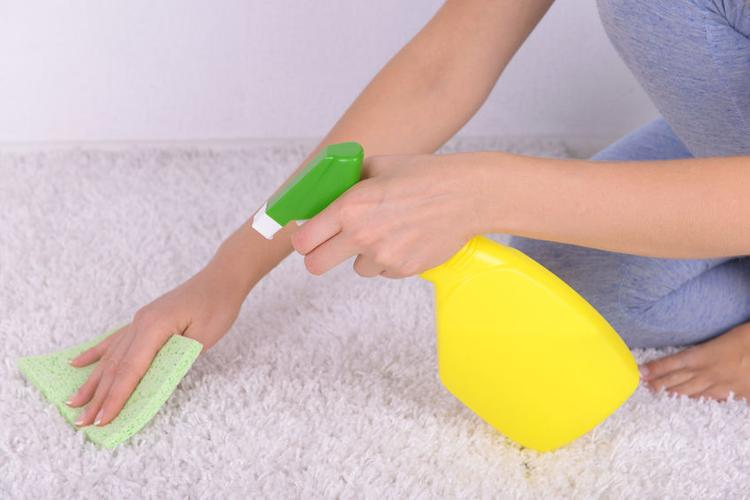
Sometimes you can smell cat urine without knowing where it is coming from. Check common accident or marking areas, including skirting boards, carpet edges, underneath furniture, curtains, mattresses, walls, doors, and areas near windows.
An ultraviolet (UV) light may help reveal some dried urine stains in a darkened room. However, other household substances can also fluoresce, so use it to identify areas that need closer inspection rather than as definitive proof of cat urine.
Once you identify a suspected spot, check how deeply the urine may have penetrated. Carpets, upholstery, and mattresses may hold urine beneath the visible surface and require more thorough treatment.
Get practical home and property tips with Property Guides.What should you avoid when cleaning cat pee?
Using the wrong cleaning method can leave urine residue behind, spread the stain, damage household surfaces, or expose your pet to unsuitable substances. Avoid these common mistakes:
- Ammonia-based cleaners: Their smell may resemble components of urine, so they are not recommended for cleaning cat urine.
- Perfumes and air fresheners: These may temporarily cover the odour but do not remove the urine causing it.
- Aggressive scrubbing: Rubbing fresh urine can push it deeper into carpets, rugs, mattresses, and upholstered furniture.
- Excessive soaking: Too much liquid can damage timber and laminate or carry urine and cleaning products deeper into absorbent materials.
- Mixing cleaning chemicals: Combining household cleaners can produce dangerous fumes or chemical reactions. Always use products according to their labels.
- Essential oils: Some essential oils can be harmful to cats, so avoid using them as homemade urine cleaners or repellents without veterinary guidance.
- Heat before the stain is treated: Avoid using heat to dry urine-soiled fabrics or surfaces before they are properly cleaned, as this can make odours more difficult to remove.
Choose a pet-safe product suitable for the affected surface and follow its instructions carefully. Proper cleaning tackles the urine itself instead of temporarily hiding the smell.
How Long Does Cat Pee Smell Take To Go Away?
Cat pee smell may disappear after proper cleaning and drying, but there is no fixed timeframe. How long it lingers depends on how much urine was deposited, how quickly it was cleaned, and how deeply it penetrated the surface.
Fresh urine on a sealed surface is generally easier to deal with than urine that has soaked into carpets, mattresses, sofas, timber, or flooring underlay. Older stains may also require repeated treatment before the odour is fully removed.
If the smell returns after the area dries, urine may still be present beneath the surface. Treat the affected area again with a suitable pet urine cleaner, or consider professional cleaning when contamination has penetrated deeply.
Keeping your home fresh with a cat
Cat urine odours are easier to manage when you act quickly, use suitable cleaning products, and thoroughly treat the affected surface. Preventing repeat accidents is just as important as removing existing smells.
If your cat continues urinating outside the litter box, consider possible stress, environmental, or health-related causes. Persistent or sudden changes in toilet habits should be discussed with a veterinarian to help identify the underlying problem.
Planning your home financing? Estimate your monthly home loan repayments with the Mortgage Calculator on iProperty Malaysia.