
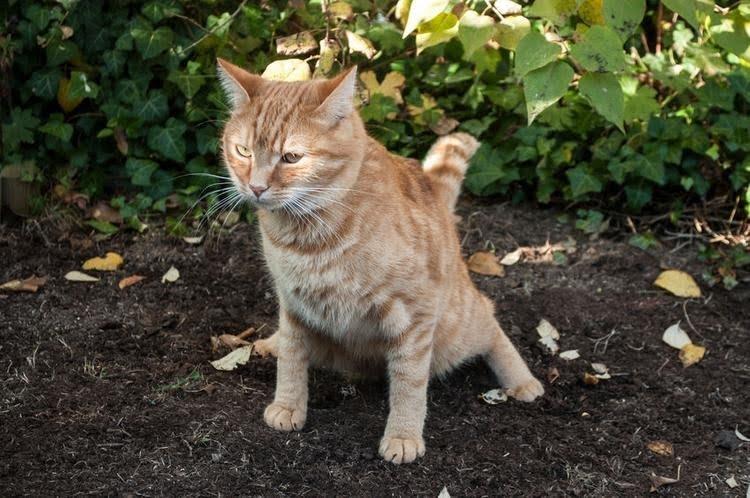
Have you scrubbed cat faeces from outside your home, only to have the unpleasant smell stick around? It is even more frustrating when cats keep returning to the same garden bed, flowerpot, car porch or corner of your yard.
Start by removing the faeces and cleaning the affected area instead of simply masking the odour. Once the spot is clean, the next step is to make it less appealing to cats without using measures that could harm them.
This guide explains how to get rid of cat poop smell outside, with practical tips for cleaning soil and hard surfaces, preventing repeat visits, and dealing with recurring problems caused by a neighbour’s or stray cat in Malaysia.
Browse homes for sale across Malaysia and discover your next home.Why does cat poop smell linger outside?
Even after you remove the visible faeces, the smell may remain. The cause usually comes down to leftover waste, the surface it has soiled or repeated visits to the same spot.
- Traces of faeces remain: Picking up the waste may leave organic residue behind, particularly in cracks, crevices and uneven surfaces. These areas need careful cleaning because dirt and organic matter can accumulate in places that are difficult to reach.
- The surface is difficult to clean thoroughly: Rough concrete, cracked paving, and grout can retain residue more easily than intact, sealed surfaces. Porous materials and damaged surfaces are also harder to clean and disinfect effectively.
- Cats keep using the same spot: If the area has not been cleaned thoroughly, residual odours may encourage repeat soiling. Veterinary guidance recommends neutralising lingering odours rather than simply masking them with fragrance.
Identifying which of these problems applies to your outdoor area will help you choose the right way to remove the smell.
How to get rid of cat poop smell outside?
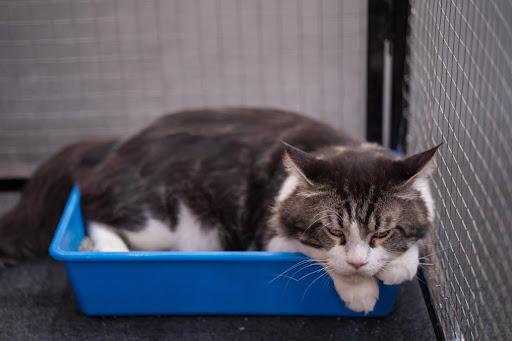
That lingering smell is unpleasant, but there is another reason to clean outdoor cat faeces promptly. A 2026 study of 60 public spaces across Kuala Lumpur and Selangor found intestinal parasites in 90% of the 40 cat faecal samples tested.
The study also found at least one parasite in 21.3% of 300 soil samples, while hookworm-positive soil was detected at 16 of 60 sampling sites. That makes proper clean-up especially important when faeces are found around soil, gardens or other outdoor areas.
Here are 13 practical ways to remove the odour, clean the affected area and make the same spot less inviting to cats.
1. Remove the faeces safely
Put on disposable gloves before picking up cat faeces and avoid direct contact. Seal the waste in a bag and wash your hands thoroughly with soap and water afterwards. This is especially important when handling potentially contaminated soil.
A Malaysian study found Toxoplasma gondii DNA in 10.5% of cat faecal samples collected in the Klang Valley, highlighting the importance of careful handling and prompt clean-up.
2. Clean the affected surface
Once the faeces are removed, clear any visible residue before cleaning. For concrete, tiles and paving, use a cleaner suitable for the surface and follow its instructions.
Soil needs extra care: a 2026 Malaysian study found hookworm larvae in 28 of 300 soil samples and at 16 of 60 sampling sites. Wear gloves when handling potentially contaminated soil and wash your hands thoroughly afterwards.
3. Deal with the lingering odour
If the smell remains after cleaning, use a pet odour remover designed to neutralise the residue rather than simply masking it with perfume or another strong scent. Veterinary guidance recommends neutralising odours in cat-soiled areas and avoiding vinegar- or ammonia-based cleaners.
Follow the product label carefully, especially when cleaning near plants, drains, children or pets.
4. Let the area dry and check it again
Let the cleaned area dry according to the product instructions, then check the original spot and nearby edges, corners and gaps for any remaining odour or residue. If the smell persists, repeat the appropriate cleaning process rather than covering it with another product.
Avoid mixing cleaners, as some combinations can produce hazardous reactions. Thoroughly cleaning and neutralising odours can also help reduce repeat soiling.
5. Cover exposed soil

If cats keep returning to the same flower bed, covering the exposed soil can make digging less convenient. Garden guidance recommends using secure netting or chicken wire over areas where cats dig, while allowing plants to grow through the openings.
Fix the barrier firmly and check it regularly for gaps, loose sections or damaged edges that could create a hazard.
Find a rental home that fits your needs across Malaysia.6. Protect flowerpots and polybags
If cats keep using your flowerpots or polybags, cover the exposed soil so they cannot easily dig in it. Secure garden netting over the soil while leaving enough space for the plants to grow.
Physical barriers can help prevent cats from accessing planting areas. Check the covering regularly and secure any loose sections that could trap or injure animals.
7. Use wire mesh over repeat problem areas
If cats repeatedly use the same patch as a toilet, cover the soil instead of cleaning it again and again. Lay chicken wire or suitable wire mesh flat over the affected area and secure it firmly to make digging difficult while allowing plants to grow through.
Check the mesh regularly and repair loose sections, exposed edges or gaps that could create hazards.
8. Strengthen the garden boundary
If cats keep entering through the same gap beneath a gate or along one side of your yard, focus on blocking that route rather than treating the whole area. Secure fencing or suitable netting can help restrict access to garden areas.
Check gaps beneath gates and along boundaries, and secure them without leaving loose wires or sharp edges that could injure animals.
9. Try a motion-activated sprinkler
If cats keep entering the same outdoor area, a motion-activated sprinkler can discourage them without requiring you to chase them away. The sensor detects movement and releases a short burst of water when an animal approaches.
Position it towards the usual entry point and keep the spray away from walkways, neighbouring properties and electrical equipment. Use it after cleaning the area and removing lingering odours.
10. Consider a commercial cat deterrent carefully
If cats keep returning after cleaning, a commercial deterrent may be worth trying, but it should not be treated as a guaranteed solution. Some products need regular reapplication, and their effectiveness can vary.
Check the label to confirm the product is suitable for the surface, follow the recommended application instructions, and check whether it can be used near edible plants. Use it alongside cleaning and physical barriers.
11. Remove food and other nearby attractants

If cats keep entering your yard, check whether accessible food waste or nearby feeding spots are attracting them. Keep rubbish bins covered and avoid leaving food outdoors. Malaysian guidance advises against leaving food waste around or feeding roaming animals in ways that affect public cleanliness.
If someone regularly feeds stray cats nearby, a polite conversation may help move feeding away from entrances, walkways and other problem areas.
12. Make the Problem Area Less Accessible
Once the faeces and lingering odour are gone, make the spot harder for cats to use again. For garden soil, coarse-textured mulch or chicken wire can make digging more difficult and limit access to the surface.
Focus on the corner, flowerpot or outdoor area where the problem keeps occurring. Secure the barrier firmly and check it regularly for loose sections, gaps or exposed edges.
13. Contact your local authority for a recurring stray-cat nuisance
If cat faeces or odour keeps returning after you have cleaned the area and tried humane deterrents, report the recurring nuisance to your Pihak Berkuasa Tempatan (PBT). Universiti Putra Malaysia’s Faculty of Veterinary Medicine explains that cat-related nuisance can include foul odours, uncleanliness and discomfort to neighbours, under guidance discussing the Local Government Act 1976 and local-authority by-laws.
Do not poison or deliberately injure cats or dogs. Under Section 31 of Malaysia’s Animal Welfare Act 2015 [Act 772], administering a poisonous or injurious substance to an animal without lawful authority or reasonable excuse is an offence punishable by a fine of RM20,000 to RM100,000, imprisonment for up to three years, or both.
Planning to buy a home? Estimate your monthly mortgage repayments.What should you avoid when dealing with cat poop?
A recurring mess can make you reach for stronger chemicals or harsher deterrents, but that can put animals, people and your property at risk.
Do not use poison or deliberately injure cats to stop them from entering your property. Malaysian veterinary guidance specifically advises residents against injuring, poisoning, or disposing of cats themselves.
Malaysia’s Animal Welfare Act 2015 also prohibits administering poisonous or injurious substances to animals without lawful authority or reasonable excuse. Section 31 provides for a fine of RM20,000 to RM100,000, imprisonment of up to three years, or both upon conviction.
Instead, remove the faeces, clean the affected area, and use physical barriers or appropriate deterrents to prevent repeat visits.
When Should You Consider Professional Cleaning for Cat Poop Odour?
Sometimes, repeated cleaning at home does not solve a stubborn outdoor odour, especially when the affected area is large or difficult to clean properly. Consider professional cleaning when:
- The odour keeps returning: You have cleaned the area thoroughly several times, but the smell continues to come back.
- The affected area is extensive: Multiple sections of your driveway, porch, pathways or outdoor surfaces have been contaminated.
- The contamination is difficult to reach: Faeces or residue has collected in narrow gaps, drains, porous surfaces or other hard-to-clean areas.
- You are unsure how to clean the surface safely: Professional help can be useful when using the wrong cleaning product could damage the material or surrounding landscaping.
If the problem keeps recurring despite proper cleaning, professional cleaning may help you tackle the source more thoroughly.
Keep Your Outdoor Areas Clean and Less Attractive to Cats
A lingering cat-poop smell is easier to manage when you tackle the source first. Remove the faeces, clean the affected area thoroughly, and then make that particular spot harder for cats to use again.
For a recurring nuisance, avoid harmful DIY deterrents and use safe physical measures or the appropriate local-authority channel where needed. The aim is simple: remove the odour, prevent repeat visits, and keep your outdoor space clean.
Planning to improve your home? Explore our Property Guides for practical advice and useful tips.