
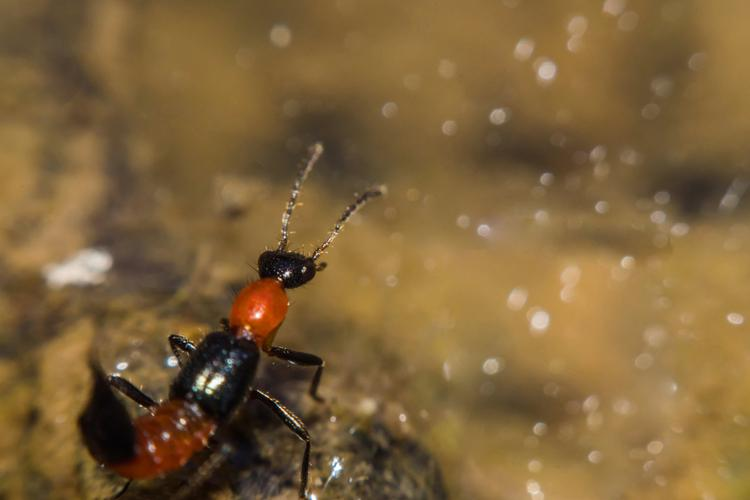
Spotting a small orange-and-black insect crawling across your bedroom wall, curtains, or bed can be worrying, especially if you suspect it is a Charlie ant. Accidentally crushing one against your skin can cause painful irritation, redness, and blisters, making it important to know how to handle these insects safely.
Despite its common name in Malaysia, the Charlie ant is not actually an ant. It belongs to the Paederus genus of rove beetles and releases a toxin called pederin when crushed. These insects are commonly found around paddy fields, grasslands, and other vegetated areas, but they can also enter homes when attracted by artificial lighting at night.
This guide explains how to identify Charlie ants, why they enter homes, and practical ways to keep them away. You will also learn what to do if one lands on your skin and how to manage irritation caused by accidental contact.
Explore properties for sale in Malaysia and find your next home.Why Do Charlie Ants Enter Your Home?
Charlie ants are not actual ants, but rove beetles belonging to the Paederus genus. They have elongated bodies with distinctive orange-and-black colouring and can fly. Although they generally live outdoors, certain environmental conditions can attract them into Malaysian homes, including high-rise apartments.
Here are five common reasons Charlie ants may enter your home.
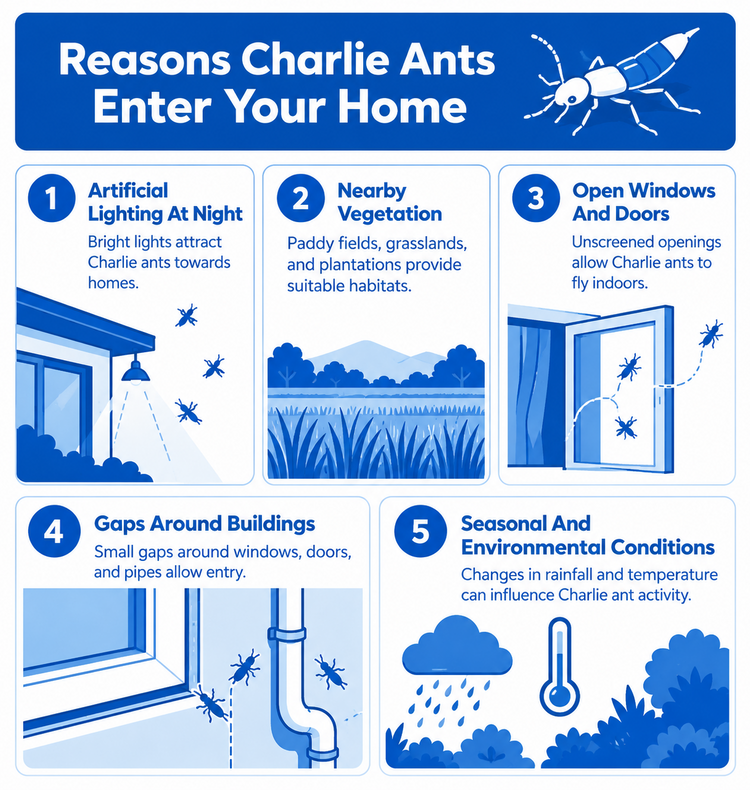
Understanding why Charlie ants enter your home can help you identify potential entry points and take appropriate preventive measures before they become a recurring problem.
For homeowners, paying attention to lighting, nearby vegetation, and building openings can make it easier to reduce Charlie ant encounters, particularly at night when these beetles are more active.
How Dangerous Are Charlie Ants?
Charlie ants can cause painful skin irritation, but they do not bite or sting humans. The main danger comes from pederin, a toxic substance released when the beetle is crushed against the skin. Contact with this toxin can cause Paederus dermatitis, a skin reaction characterised by redness, burning sensations, itching, and fluid-filled blisters.
Symptoms may develop several hours after exposure, sometimes appearing as red, linear marks on the skin. The toxin can also spread to other areas through contaminated fingers, making contact with sensitive areas such as the eyes particularly concerning. Although most skin reactions heal with appropriate care, severe cases may require medical attention.
Understanding these risks is important, as avoiding direct contact and handling Charlie ants carefully can help prevent painful skin reactions.
How Do You Keep Charlie Ants Away From Your Home?
If Charlie ants regularly appear inside your home, prevention should focus on limiting their entry points, reducing artificial light that attracts them, and maintaining the surrounding environment. Here are 10 practical ways to keep Charlie ants away from your home.
1. Install Insect Screens
Fit fine-mesh insect screens to windows, doors, and ventilation openings where practical. Regularly inspect them for tears, loose edges, or gaps that could allow Charlie ants to enter. Screens provide a physical barrier while allowing fresh air to circulate.
2. Reduce Bright Lights At Night
Charlie ants are attracted to artificial lighting, particularly at night. Switch off unnecessary lights near windows, balconies, and entrances. Consider using lower-intensity outdoor lighting and positioning light fixtures away from doors to reduce the chances of attracting beetles towards your home.
Discover new properties in Malaysia and explore your options.3. Keep Windows And Doors Closed
Avoid leaving unscreened windows and doors open at night, especially when indoor lights are switched on. Make sure balcony doors and sliding windows close properly, as even small openings can allow flying insects to enter.
4. Maintain Vegetation Around Your Home
Trim overgrown grass, shrubs, and plants near your property. Remove accumulated leaves and decaying vegetation around entrances, patios, and exterior walls. Regular maintenance can reduce sheltered areas where Charlie ants and other insects may gather.
5. Check Your Bedroom Before Sleeping
Inspect bedding, pillows, curtains, and areas around bedside lamps if Charlie ants have been appearing indoors. Gently remove any beetles you find without crushing them. This precaution can help prevent accidental skin contact while sleeping.
6. Seal Gaps And Cracks
Check for openings around window frames, door edges, ventilation systems, and air-conditioning pipes. Use suitable sealant, weather stripping, or other appropriate materials to close gaps that could provide entry points for Charlie ants.
7. Close Curtains And Blinds At Night
Bright indoor lighting can attract Charlie ants towards illuminated windows. Close curtains or blinds after sunset, particularly in bedrooms and living areas. This can help reduce the amount of light visible from outside, especially when windows are near vegetation.
8. Keep Outdoor Areas Clean
Regularly sweep balconies, patios, corridors, and areas near entrances. Remove accumulated plant debris and avoid leaving unnecessary clutter close to exterior walls. Keeping these spaces tidy makes it easier to spot insects and reduces sheltered areas around your home.
9. Inspect Laundry Before Bringing It Indoors
Charlie ants may occasionally land on clothes, towels, or bedding left outside. Check laundry before bringing it indoors, particularly if it has been hanging near vegetation or outdoor lighting. Shake items carefully without pressing any insects against your skin.
10. Monitor Areas Where Charlie Ants Frequently Appear
Pay attention to where and when Charlie ants enter your home. Check whether sightings occur near particular windows, balcony doors, lights, or ventilation openings. Identifying recurring patterns can help you determine which preventive measures need improvement.
Consistent prevention is more effective than relying on a single method. Combining insect screens, sensible lighting, sealed openings, and regular home maintenance can help reduce Charlie ant encounters and make your living spaces safer.
What Can You Do About A Charlie Ant Skin Reaction?
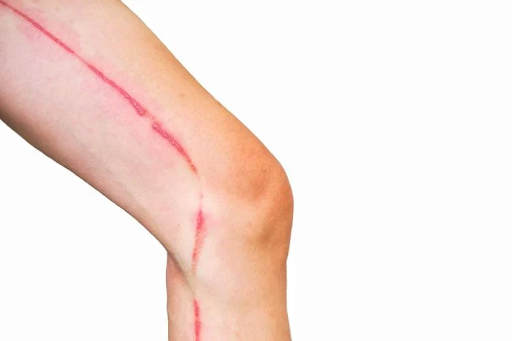
If a Charlie ant lands on your skin, avoid slapping, squeezing, or crushing it, as this can release pederin and cause skin irritation. Instead, gently blow the beetle away or encourage it to crawl off without damaging its body.
If you accidentally crush a Charlie ant or notice skin irritation, follow these steps:
- Wash the affected area: Clean your skin immediately with soap and running water to remove any remaining toxin.
- Avoid rubbing or scratching: Rubbing can spread the toxin to other parts of your body, while scratching irritated skin may increase the risk of infection.
- Wash your hands thoroughly: Clean your hands before touching your face, eyes, or other sensitive areas.
- Apply a cool compress: Place a clean, cool, damp cloth over irritated skin to help relieve burning sensations and discomfort.
- Seek medical advice when necessary: Consult a doctor if you develop severe redness, extensive blistering, increasing pain, or signs of infection. Seek prompt medical attention if your eyes are affected.
Avoid applying unverified home remedies or breaking any blisters, as these actions may worsen skin irritation. Prompt washing and appropriate skin care can help reduce further exposure and support recovery.
Use the Mortgage Calculator to estimate your monthly home loan repayments.When Should You Use Pest Control For Charlie Ants?
Finding an occasional Charlie ant does not necessarily mean there is an infestation inside your home. These beetles typically live outdoors and may enter buildings accidentally. However, repeated sightings could indicate that environmental conditions around your property are attracting them.
Consider contacting a professional pest-control service in the following situations:
- Frequent Charlie ant sightings: You regularly notice multiple beetles inside your home, particularly in bedrooms, living areas, or near windows.
- Repeated skin irritation: Household members experience recurring skin reactions that may be linked to accidental contact with Charlie ants.
- Persistent entry despite preventive measures: Charlie ants continue entering your home even after installing insect screens, sealing gaps, and reducing unnecessary lighting.
- Large numbers around your property: You frequently find Charlie ants gathering near outdoor lights, entrances, balconies, or surrounding vegetation.
- Difficulty identifying entry points: You cannot determine how the beetles are getting indoors or which environmental conditions may be contributing to their presence.
A pest-control professional can inspect your property, identify possible entry points, and recommend suitable control measures. Professional treatment may not be necessary for occasional sightings, but it can be worth considering when Charlie ants become a recurring problem.
Keep Charlie Ants Away From Your Home
Charlie ants may occasionally enter Malaysian homes, particularly when attracted by artificial lighting at night. Installing insect screens, sealing possible entry points, keeping windows and doors closed when necessary, and maintaining surrounding vegetation can help reduce the chances of them getting indoors.
If you spot a Charlie ant, avoid crushing or swatting it against your skin. Remove it gently and wash the affected area promptly if contact occurs. Knowing how to identify and handle these beetles safely can help protect your household from unnecessary skin irritation.
Looking for guidance on your property journey? Get practical insights for buying and owning property with Property Guides on iProperty Malaysia.