
Eco Spring Johor Bahru is a master-planned, gated township in Tebrau, known for its Tudor-inspired architecture, low-density landed homes, phased growth strategy, and integrated commercial hubs. This guide explores its precinct structure, residential typologies, security features, landscaping, and long-term positioning within Johor Bahru’s evolving property landscape.
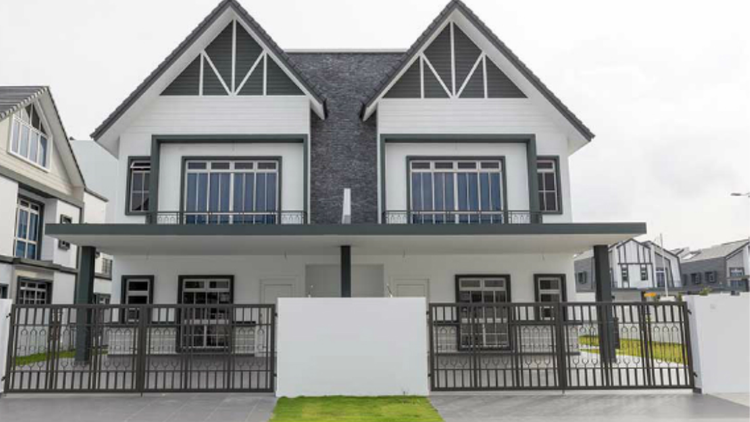
In Johor Bahru’s evolving residential landscape, few developments have established an identity as distinct as Eco Spring. Located in Tebrau, one of the city’s most active growth corridors, Eco Spring stands apart not just by sheer scale, but by a carefully curated freehold built on a 614-acre residential concept that blends Tudor-inspired architecture, gated and guarded neighbourhoods, and township-level planning.
Often associated with low-density living, landscaped environments, and family-oriented layouts, Eco Spring Johor Bahru represents a deliberate move away from ad-hoc residential development. It consists of landed, high-rise, and commercial houses.
Instead, it reflects a planning philosophy that prioritises cohesion between homes, streetscapes, communal spaces, and long-term liveability.
Tebrau as a Residential Growth Corridor
Over the past decade, Tebrau has steadily repositioned itself as one of Johor Bahru‘s most crucial residential growth corridors.
Rather than developing in the dense, land-constrained city centre, residential expansion has increasingly shifted eastwards, where Tebrau offers the scale and structure needed for modern township planning.
Why Tebrau Matters in Johor Bahru?
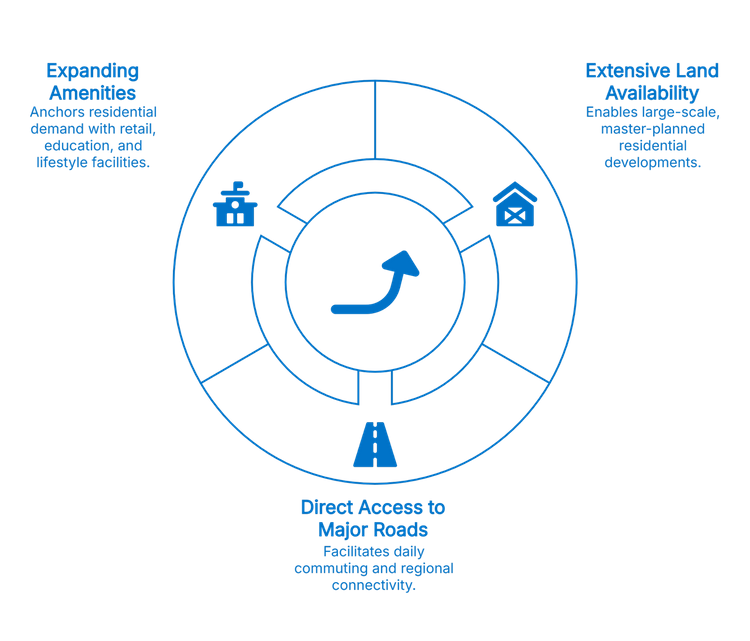
Tebrau’s significance lies in its ability to support long-term, organised residential growth. Several structural advantages have contributed to this shift:
- Extensive land availability allows for significant, master-planned developments rather than piecemeal projects.
- Direct access to major arterial roads supporting daily commuting and regional connectivity.
- An expanding base of established amenities, including retail, education, and lifestyle facilities that anchor residential demand.
These factors have positioned Tebrau as a preferred location for township-style developments. Eco Spring sits firmly within this broader pattern, benefiting from both strong connectivity and the capacity for sustained neighbourhood expansion.
Township Living Versus Isolated Developments
A key distinction between Tebrau-based townships and standalone residential projects is the emphasis on self-contained living environments. Township developments are designed to function as complete residential ecosystems, reducing reliance on external commercial centres for daily needs.
Typical township features include:
- Internal road networks are explicitly planned for residential traffic flow and safety.
- Integrated green spaces that support recreational use and long-term liveability.
- Clear zoning separation between residential areas and heavier commercial or industrial activity.
Eco Spring reflects this township-first planning philosophy. By prioritising internal organisation and resident-focused design, it enhances everyday convenience while supporting more substantial long-term residential value within Tebrau’s evolving urban landscape.
The Eco Spring Township Concept
Eco Spring is planned as a fully integrated residential township rather than a standalone or single-phase housing development.
This approach shapes not only how the homes are built, but also how the wider environment evolves.
By adopting a township-scale framework, Eco Spring is positioned to deliver consistency, liveability, and long-term sustainability across its various neighbourhoods.
A Master-Planned Residential Environment
The distinction between a township and an isolated housing project lies in the depth and time horizon of their planning.
At Eco Spring, master planning allows the development to unfold in a structured and coordinated manner, supporting:
- Phased development guided by a consistent design language, ensuring visual and spatial continuity as new precincts are introduced.
- Gradual infrastructure roll-out, where roads, utilities, and communal facilities are aligned with actual residential growth rather than short-term market cycles.
- Long-term maintenance and management planning that helps preserve the quality and functionality of shared spaces well beyond initial completion.
Rather than responding reactively to market conditions with each new phase, Eco Spring’s planning framework is designed to maintain coherence across neighbourhoods, even as different housing types and layouts are introduced over time.
Low-Density Emphasis and Spatial Planning
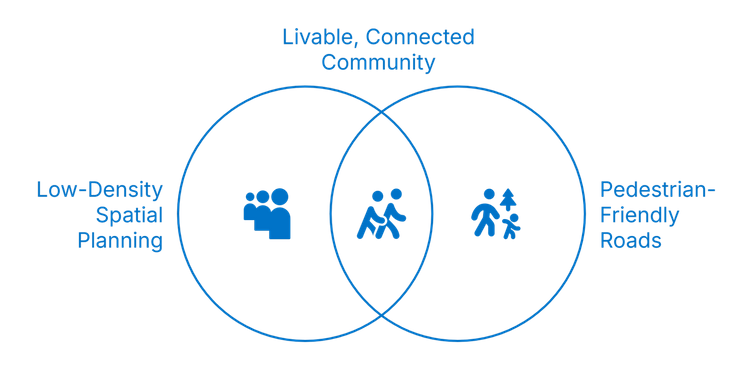
Despite offering a range of landed housing options, Eco Spring places a clear emphasis on spatial comfort and controlled density.
The township’s layout prioritises:
- Manageable residential density, avoiding overcrowding while maintaining efficient land use.
- Clear demarcation of neighbourhood clusters, giving each enclave a distinct sense of identity and privacy.
- Pedestrian-friendly internal roads that support walkability and safer everyday movement within the township.
Eco Spring’s most consistently cited lifestyle strengths: a sense of space, order, and residential tranquillity within a growing urban corridor.
Eco Spring Masterplan Structure
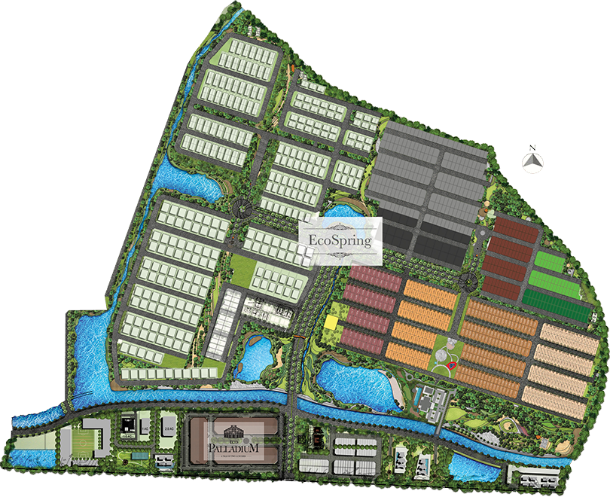
Eco Spring comprises three principal sections:
- Landed Residential
- High-Rise Residential
- Commercial
Each section has multiple developments/phases with specific unit products.
1. Landed Residential Precincts
The following are the current landed residential precincts within Eco Spring, each with its unit series:
A. Daisy (Phase 2)
Primary Landed Products Under Daisy:
- Brienz Residences (Bungalow Series)
- Double-storey Spring Villa on large plots (e.g., approx. 80′ × 90′), premium bungalow units.
- Bayfièld Residences (Semi-Detached Series)
- Double-storey semi-detached homes (e.g., RB4-A/RB4-C).
- Elford Residences (Cluster House Series)
- Double-storey cluster home with more generous land scale (approx. 33′ × 75′).
- Swinford Residences (Cluster House Series)
- Similar double-storey cluster homes with frontage (approx. 33′ × 75′).
- Forté Residences (Cluster House)
- Double-storey Spring Abode units in cluster house format.
- Forté+ Residences (Cluster House)
- Upgraded cluster house units with enhanced configuration.
B. Peöny (Phase 4)
Landed Unit Types Under Peöny:
- Charà Terrace Homes
- Double-storey terrace homes (type RT-A).
- Theià Terrace Homes (Theià 2)
- Slight architectural variation in terrace units (type RT-B).
- Kàllos Cluster Homes
- Double-storey cluster homes (type RK-A).
- Dhanà Cluster Homes
- Double-storey cluster homes (type RK-B).
- Kàllos 2 (Cluster)
- Later cluster home series (extension of Kàllos).
- Dhanà 2 (Cluster)
- Extended cluster variant.
- Thära Spring Villas
- Double-storey luxury spring villas, a premium landed product under Peöny (distinct from the general cluster/terrace products).
C. Rosé (Garden Homes)
Rosé focuses on Garden Homes, which are terrace-type houses with private side gardens and shared back lanes:
- Téno 3 Garden Homes
- Garden home terrace units with private garden.
- Rémy 3 Garden Homes
- Larger garden terrace with similar outdoor space features.
iProperty note: Rosé units are typically configured with four bedrooms and four bathrooms and are part of the Garden Homes series.
2. High-Rise Residential
These are strata residential products within Eco Spring:
A. Santai D’Eco Spring
- Serviced apartments (mid-rise) are marketed as relaxed, lifestyle units.
- Typical configuration: 3 bedrooms, 2 bathrooms; approx. 947 to 1,037 sq ft layouts.
B. Santai 3
- New launch serviced apartment block likely with similar strata residential typologies, sometimes with varied layouts to Santai D’.
iProperty note: Further high-rise residential blocks may be planned or under development, but the primary confirmed offerings are the Santai series.
3. Commercial
Eco Spring also has established and future commercial nodes:
A. Eco Palladium
- European-style retail and shop offices offering food & beverage, retail, service outlets, education, wellness facilities, and more.
B. Santai Square
- Lifestyle strata shop offices; mixed commercial strata units within Eco Spring.
C. Spring Labs
- Retail concept hub with cafes, restaurants, and lifestyle spots (presently fully leased or fully established).
EcoSpring’s structured township approach, where residential diversity and commercial integration are deliberately phased to support long-term liveability, functional self-sufficiency, and measured community growth rather than fragmented development.
Tudor-Style Architecture: A Defining Identity
Beyond location and planning, Eco Spring’s identity is also shaped by a distinct architectural language that distinguishes the township from generic suburban developments.
What does Tudor-Style mean in a Modern Context?
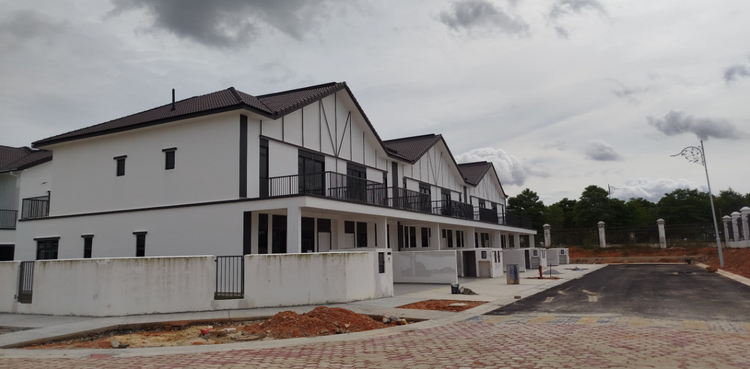
Eco Spring’s Tudor-style homes draw inspiration from traditional English domestic architecture, characterised by:
- Steeply pitched roofs
- Decorative timber-style detailing
- Symmetrical façades and gabled forms
In Eco Spring, these elements are interpreted rather than replicated, adapted to Malaysia’s climate and modern building standards.
Why Architectural Consistency Matters?
Architectural coherence plays a significant role in township perception and long-term value. At Eco Spring:
- Streetscapes maintain a consistent visual identity
- Design guidelines preserve neighbourhood character
- Renovation controls help prevent visual fragmentation
For homeowners, this consistency supports neighbourhood pride and value retention, particularly over more extended holding periods.
Liveability Beyond Aesthetics
Importantly, the Tudor-style theme is not purely cosmetic. The homes are designed with:
- Practical internal layouts
- Natural ventilation considerations
- Family-oriented spatial zoning
This ensures that visual appeal does not come at the expense of everyday functionality.
Together, these design principles position Eco Spring’s Tudor-style architecture not merely as a visual signature, but as a carefully integrated framework that supports long-term liveability, neighbourhood cohesion, and enduring residential appeal.
Gated-and-Guarded Living at Eco Spring
In addition to its architectural character and township planning, Eco Spring places strong emphasis on residential security as a core component of everyday living.
Why Gated Living Remains In Demand
Gated-and-guarded residential concepts continue to attract strong demand in Johor Bahru, particularly among:
- Families with school-going children
- Multi-generational households
- Buyers prioritising privacy and security
Eco Spring incorporates this model across its residential precincts, reinforcing its positioning as a secure, family-centric township.
How Security Is Integrated
Rather than treating security as an afterthought, Eco Spring’s gated living concept is integrated through:
- Controlled access points
- Perimeter fencing and defined boundaries
- Neighbourhood-level security management
This approach supports both actual safety and perceived peace of mind, which remain key factors in buyer decision-making.
Eco Spring fosters a living environment where security, privacy, and family well-being are integral to the township’s long-term residential appeal.
Compare rental units across current listings.Residential Typologies Within Eco Spring
Beyond its township-scale planning and security framework, Eco Spring’s residential appeal is further shaped by the type of homes it offers and the lifestyle they are designed to support.
A Focus on Landed Homes
Eco Spring is primarily known for its landed residential offerings. These typically appeal to buyers seeking:
- Greater internal space
- Private outdoor areas
- Long-term family homes rather than transitional residences
The township includes a range of landed typologies introduced across different phases, allowing buyers to enter at various price points and space requirements.
Layout Design and Family Functionality
Across its landed homes, common planning principles include:
- Clear separation between living and private areas
- Multiple bedrooms suitable for growing families
- Car porch configurations aligned with household needs
These design choices reflect a long-stay residential mindset, rather than short-term occupancy.
Collectively, these residential typologies position Eco Spring as a township geared toward long-term landed living, where space, practicality, and family-oriented design take precedence over short-term or high-turnover housing.
How Eco Spring’s Phased Planning Shapes the Residential Experience?
Eco Spring is developed in thoughtfully planned phases rather than as a one-off neighbourhood. Each phase aligns with the township’s long-term vision, ensuring steady, sustainable growth.
A consistent architectural and planning language runs across all residential clusters, allowing newer phases to blend seamlessly with earlier ones and preserving a cohesive, well-integrated township character.
Phasing as a Tool for Planning Discipline
The use of phased development allows Eco Spring to manage density, infrastructure roll-out, and community formation in a controlled manner.
Each phase is planned within a broader township blueprint, aligning homes, roads, landscaped areas, and security features with a long-term vision rather than isolated parcel-by-parcel decisions.
Key implications of this approach include:
- Infrastructure provision that scales with actual occupancy rather than speculative demand.
- Residential clusters are introduced with supporting access, utilities, and communal considerations already in place.
- Greater consistency in streetscape quality and neighbourhood hierarchy across different parts of the township.
As a result, residents moving into later phases are not entering a fundamentally different environment, but an extension of an established residential ecosystem.
Consistency Without Uniformity
While Eco Spring’s phases share a common design language, most notably its European- and Tudor-inspired architectural cues, they are not designed to feel identical.
Subtle variations in layout configuration, orientation, and spacing allow different residential clusters to offer slightly different living experiences while still adhering to township-wide controls.
This balance between consistency and variation helps:
- Preserve neighbourhood identity without visual monotony.
- Support different household needs across life stages.
- Maintain long-term value by preventing abrupt design departures.
Importantly, renovation and design guidelines applied across phases help protect this cohesion, ensuring that incremental changes over time do not erode the township’s intended character.
Maturity as a Residential Advantage
Because Eco Spring has been developed progressively rather than all at once, parts of the township benefit from a more established residential feel. Earlier phases contribute to:
- Mature landscaping and tree cover.
- Settled communities with longer owner-occupancy cycles.
- A clearer sense of neighbourhood norms and maintenance standards.
Newer phases, in turn, benefit from being introduced into an already functioning township rather than an untested environment. This layered maturity strengthens Eco Spring’s appeal to buyers who prioritise stability, predictability, and long-term liveability.
A Township Designed to Evolve, Not Reset
What distinguishes Eco Spring’s phased structure is that it allows the township to evolve without repeatedly resetting its identity. Each residential release builds on what already exists, reinforcing rather than diluting the development’s positioning as a gated, family-oriented landed township in Tebrau.
For buyers and residents, this translates into confidence that the surrounding environment will remain broadly aligned with the original planning intent. This factor becomes increasingly crucial as Johor Bahru’s residential landscape grows denser and more fragmented elsewhere.
Green Spaces and Township Landscaping
Complementing its residential planning and built form, Eco Spring places deliberate emphasis on green spaces as a core element of everyday township living rather than a secondary design feature.
The Role of Open Spaces in Eco Spring
A defining feature of Eco Spring is its emphasis on landscaped areas and open spaces. These are not treated as residual land, but as integral components of the township experience.
Green elements typically serve multiple purposes:
- Visual relief within residential clusters
- Recreational spaces for residents
- Environmental buffering between precincts
Lifestyle Value of Landscaping
For residents, landscaped environments contribute to:
- Improved day-to-day well-being
- Safer outdoor play spaces for children
- A calmer overall township atmosphere
Over time, well-maintained green spaces also support long-term desirability, particularly as urban density increases in surrounding areas.
Eco Spring’s landscaped open spaces reinforce its positioning as a liveable, family-oriented township, where environmental quality and long-term residential comfort are woven into the fabric of daily life.
Community-Centric Living
Eco Spring places equal emphasis on fostering a liveable social environment, recognising that long-term residential satisfaction is shaped as much by community as by built form.
Designing for Neighbourhood Interaction
Eco Spring’s layout encourages community interaction without forcing it. This balance is achieved through:
- Walkable internal streets
- Shared recreational areas
- Neighbourhood-scale facilities rather than oversized hubs
Such planning supports organic community formation, which remains a key appeal to families settling in for the long term.
A Township That Ages With Its Residents
One of the strengths of a master-planned township is its ability to remain relevant across life stages. Eco Spring’s environment supports:
- Young families
- Households with ageing parents
- Long-term owner-occupiers
This demographic continuity helps stabilise community character and property values.
Through thoughtful planning that supports interaction, continuity, and long-term occupancy, Eco Spring positions itself not merely as a housing development but as a township designed to grow.
Balancing Township Calm with Tebrau Connectivity
Beyond its internal amenities and community design, Eco Spring’s accessibility is pivotal for daily convenience, connecting residents efficiently to essential services, workplaces, and leisure hubs.
Strategic Tebrau Positioning
Eco Spring’s location within Tebrau places it within reach of Johor Bahru’s broader amenity network. While the township itself prioritises residential calm, external connectivity remains an important consideration.
For residents, this typically translates into:
- Reasonable commuting access
- Proximity to established commercial zones
- Balance between seclusion and connectivity
Township Planning Versus Urban Congestion
By design, Eco Spring buffers residents from immediate urban congestion, while still allowing access to Johor Bahru’s employment and commercial centres. This balance is central to its residential appeal.
Eco Spring ensures residents enjoy both a tranquil home environment and practical access to the wider Johor Bahru region.
Buyer Profiles Drawn to Eco Spring
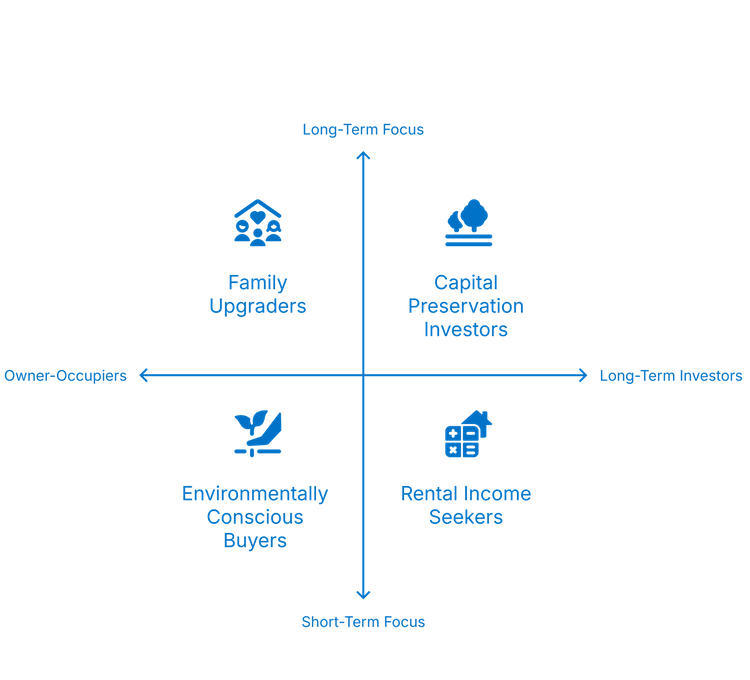
Understanding who Eco Spring appeals to helps clarify its market positioning and the type of community it fosters.
Owner-Occupiers as the Core Market
Eco Spring’s planning, pricing, and housing typologies primarily attract owner-occupiers, particularly:
- Families upgrading from smaller homes
- Buyers seeking long-term stability
- Those prioritising the environment over speculative yield
This owner-occupier skew contributes to neighbourhood stability and maintenance standards.
Long-Term Investors With a Different Outlook
While Eco Spring is not typically associated with short-term rental strategies, it does appeal to long-term investors who value:
- Established township branding
- Landed housing scarcity
- Family-oriented rental demand
These investors tend to focus on capital preservation rather than rapid turnover.
Overall, Eco Spring attracts residents and investors seeking stability, long-term value, and a family-friendly environment, reinforcing its identity as a thoughtfully planned township.
Run the calculator to review repayment estimates.Positioning Within Johor Bahru’s Residential Landscape
To understand Eco Spring’s appeal, it is essential to see how it positions itself within Johor Bahru’s broader residential market.
Competing on Lifestyle, Not Just Price
Eco Spring does not position itself as a mass-market development competing purely on affordability. Instead, its value proposition centres on:
- Design coherence
- Township planning
- Gated residential environments
This positioning differentiates it from more fragmented residential offerings in Johor Bahru.
Longevity as a Competitive Advantage
Townships with strong identity and planning discipline often maintain relevance longer than piecemeal developments. Eco Spring’s Tudor-style identity and structured growth model support this long-term outlook.
Eco Spring distinguishes itself through thoughtful planning, cohesive design, and long-term township identity, giving it a sustainable edge over more conventional or fragmented developments.
Eco Spring Johor Bahru as a Residential Proposition
Eco Spring represents a more deliberate interpretation of township living in Johor Bahru, prioritising structure, continuity, and long-term residential quality over rapid turnover or trend-driven appeal.
Its Tudor-inspired architectural identity, gated neighbourhood planning, and strategic positioning within Tebrau collectively reinforce a development philosophy centred on stability rather than spectacle.
What ultimately sets Eco Spring apart is not a single feature, but the coherence of its planning. The township is designed to age well: from its spatial layout and density control to its emphasis on security, neighbourhood identity, and everyday liveability.
For buyers who value predictability, family-oriented surroundings, and the assurance that a long-term vision guides their residential environment, Eco Spring Johor Bahru remains a measured, credible, and enduring choice in the city’s evolving residential landscape.
New commercial property launches present opportunities, but value ultimately lies in matching asset type with realistic demand and operational sustainability.
Disclaimer: The information is provided for general information only. iProperty.com Malaysia Sdn Bhd makes no representations or warranties in relation to the information, including but not limited to any representation or warranty as to the fitness for any particular purpose of the information to the fullest extent permitted by law. While every effort has been made to ensure that the information provided in this article is accurate, reliable, and complete as of the time of writing, the information provided in this article should not be relied upon to make any financial, investment, real estate, or legal decisions. Additionally, the information should not substitute advice from a trained professional who can take into account your personal facts and circumstances, and we accept no liability if you use the information to form decisions.